

Industry News
 31 2026-08
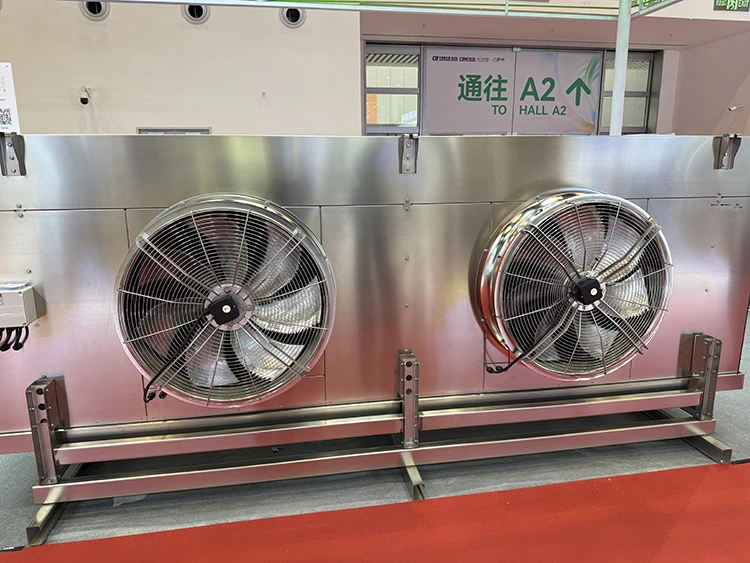
 High Temperature Unit Coolers Become More Important in Modern Cold Storage Systems
As cold storage facilities become more diversified, refrigeration systems are facing increasingly different operating requirements. Food processing plants, fresh produce warehouses, pharmaceutical storage rooms and industrial cooling facilities may operate at different temperature ranges and humidity conditions, making evaporator selection an important part of cold room design.
 18 2026-08
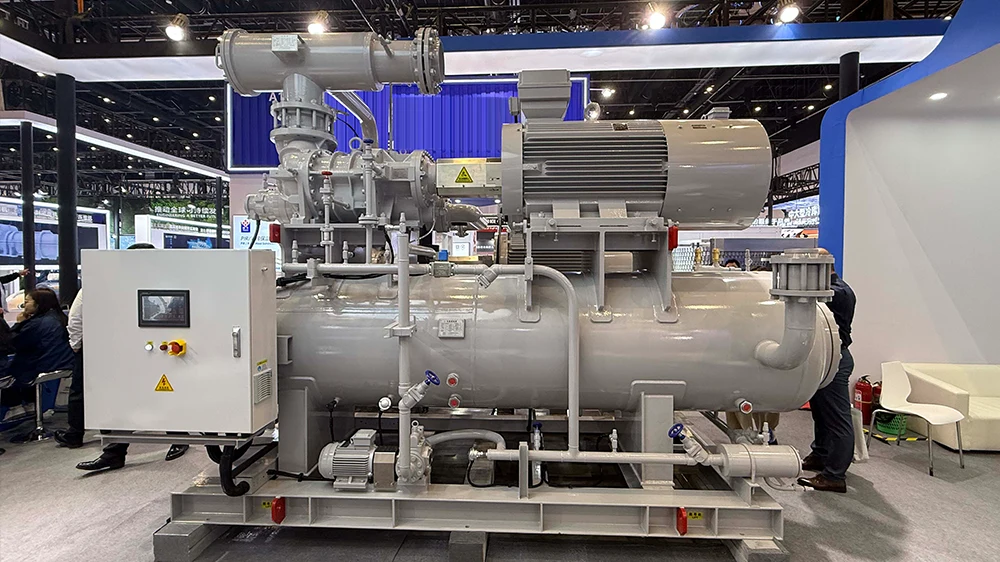
 Cold Storage Evaporator Selection: Key Factors to Consider
The evaporator is often the most overlooked component in refrigeration system design. While much attention goes to the compressor unit and condenser, it is the evaporator that ultimately determines how effectively cooling energy is transferred into the storage space or product.
 06 2026-08
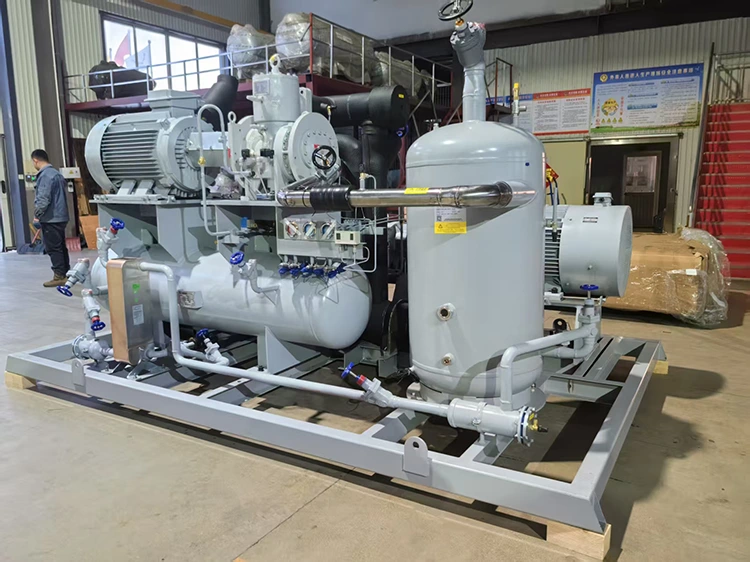
 Improving Industrial Refrigeration Efficiency with Open-Type Single-Stage Screw Refrigeration Compressor Units
As global cold chain logistics, food processing, pharmaceutical storage, and industrial manufacturing continue to expand, refrigeration systems are facing increasing requirements for energy efficiency, operational stability, and long-term reliability.
 04 2026-08
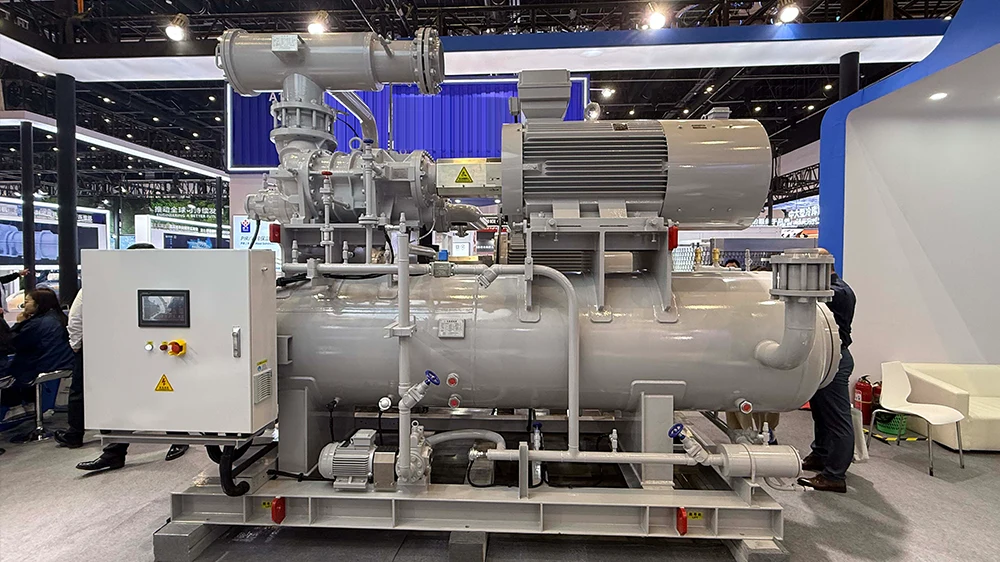
 CO₂ Refrigeration Systems Are Reshaping Global Cold Chains: What You Need to Know in 2026
The global refrigeration industry is undergoing a quiet but significant transformation. For decades, fluorinated refrigerants (HFCs) such as R404A and R134a dominated cold storage, food processing, and supermarket refrigeration. That era is ending.
 04 2026-08
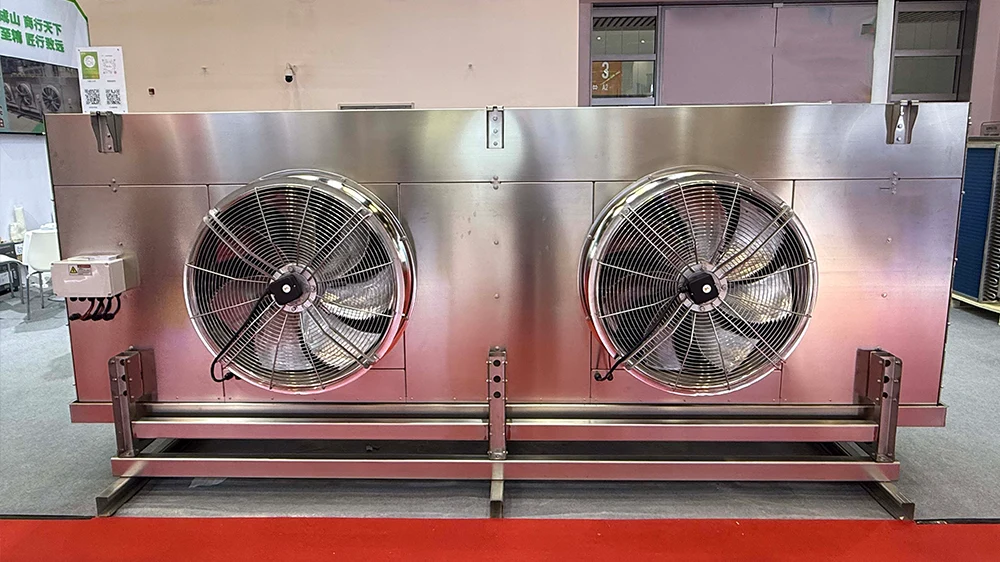
 How to Choose the Right Evaporator for Your Cold Storage Project: A Practical Guide
The evaporator is often the most overlooked component in refrigeration system design. While much attention goes to the compressor unit and condenser, it is the evaporator that ultimately determines how effectively cooling energy is transferred into the storage space or product.