Reliable Chiller Unit Manufacturer with Advanced Factory
A chiller unit is a refrigeration system designed to remove heat from water or another cooling medium and deliver chilled fluid for air conditioning, process cooling, and industrial temperature control applications. The chilled water is circulated through pipelines to air handling units (AHUs), fan coil units, or process equipment, where it absorbs heat and maintains the required operating temperature.
Chiller units are widely used in commercial buildings, hospitals, hotels, data centers, manufacturing facilities, cold chain facilities, and industrial plants where stable and continuous cooling performance is required. Selecting the right chiller depends on factors such as cooling capacity, operating conditions, energy consumption, installation space, maintenance requirements, and the available heat rejection method.
How Does a Chiller Unit Work?
Most modern chiller units operate through a vapor compression refrigeration cycle. The system transfers heat from the chilled water loop to the refrigerant and then rejects the heat through an air-cooled condenser, water-cooled condenser, or evaporative cooling system.
The cooling process begins in the evaporator, where heat from the return water is absorbed by the refrigerant. The compressor then increases the refrigerant pressure and temperature before sending it to the condenser. In the condenser, heat is released to the surrounding environment and the refrigerant changes back into a liquid state. After passing through the expansion device, the refrigerant pressure and temperature decrease, allowing it to return to the evaporator and continue the cooling cycle.
Different compressor technologies, including screw compressors, centrifugal compressors, and magnetic levitation centrifugal compressors, provide different advantages in terms of cooling capacity, energy efficiency, operating noise, and maintenance requirements.
Types of Chiller Units
Air-Cooled Chiller Units
Air-cooled chiller units reject heat directly to the outdoor air through condenser fans. Because they do not require cooling towers or additional condenser water systems, they offer simpler installation and lower maintenance requirements.
Air-cooled chillers are commonly selected for projects where water availability is limited or where installation space and system simplicity are important considerations. They are widely applied in commercial buildings, factories, data centers, and process cooling systems. However, outdoor temperature conditions can affect their performance, especially in high ambient environments.
Water-Cooled Chiller Units
Water-cooled chiller units transfer condenser heat to a cooling water loop, which is connected to a cooling tower or other heat rejection equipment. Compared with air-cooled systems, water-cooled chillers generally achieve higher efficiency and are suitable for facilities requiring continuous high-capacity cooling.
They are commonly used in large commercial buildings, hospitals, industrial plants, and data centers where long-term operating efficiency and stable cooling output are critical. Proper maintenance of the cooling water system is required to maintain performance and extend equipment service life.
Evaporative-Cooled Chiller Units
Evaporative-cooled chiller units combine air cooling and water evaporation technology to improve heat rejection efficiency. By reducing condenser temperature under suitable conditions, these systems can lower compressor workload and reduce energy consumption compared with conventional air-cooled solutions.
Lynxcool provides evaporative-cooled screw chiller units for applications requiring efficient cooling performance with flexible installation requirements.
Lynxcool Chiller Unit Solutions
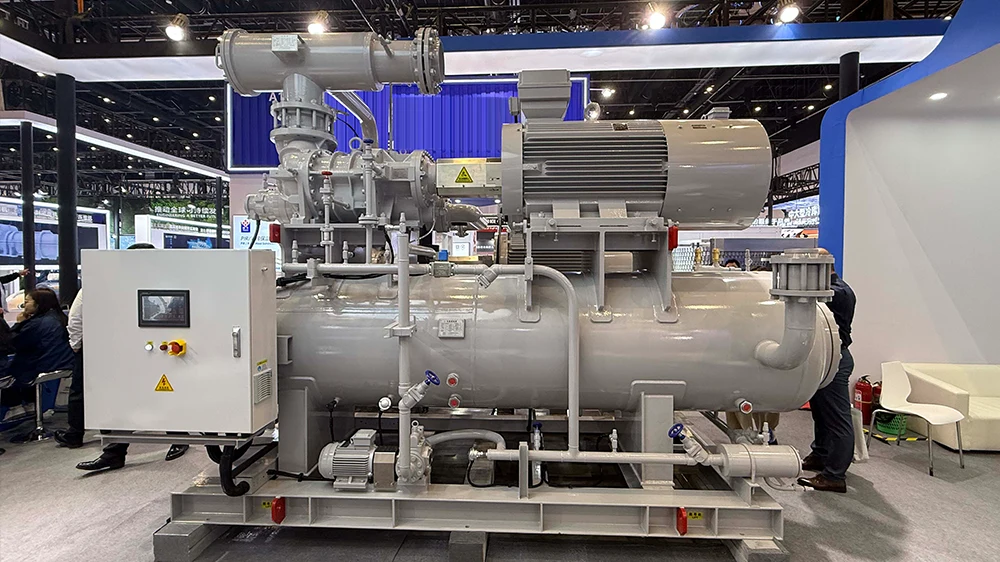
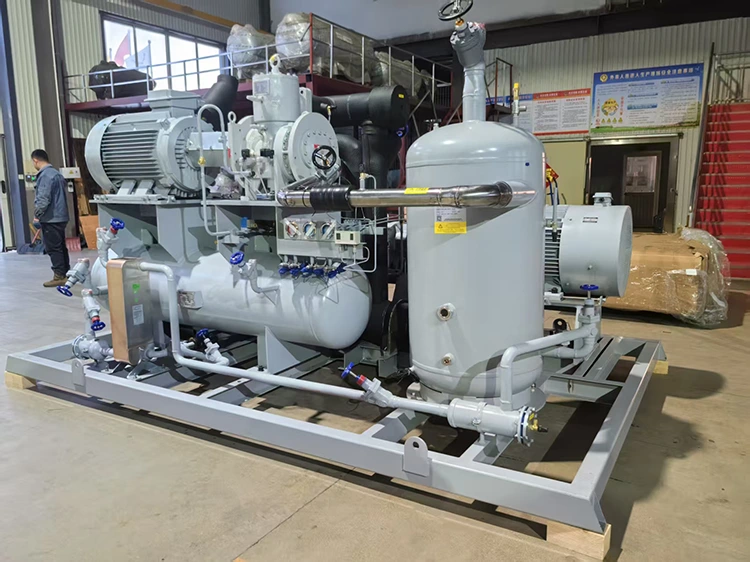
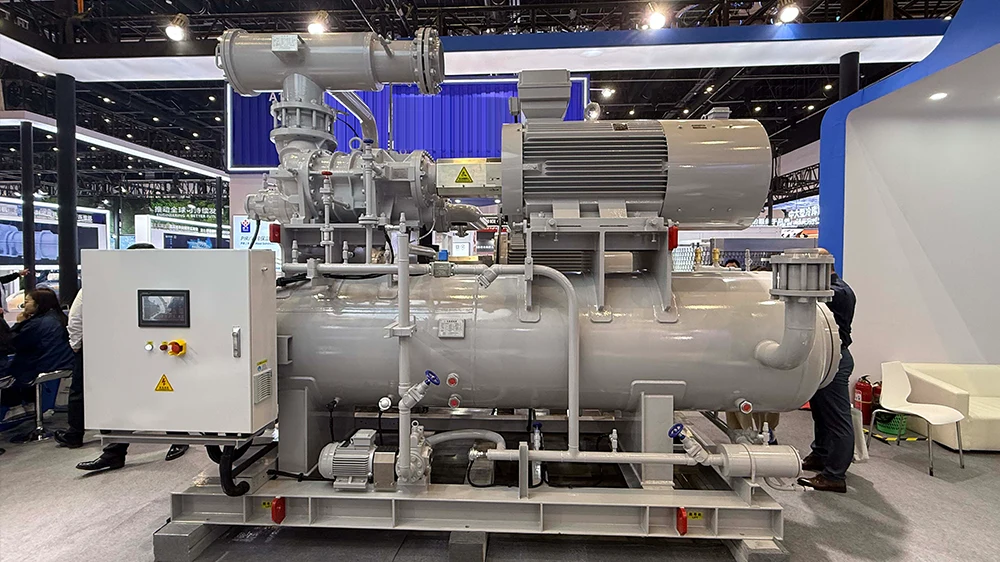
Lynxcool manufactures a complete range of chiller units for commercial HVAC and industrial cooling applications, including air-cooled screw chillers, water-cooled screw chillers, evaporative-cooled screw chillers, magnetic levitation centrifugal chiller units, and air-bearing centrifugal chiller units.
Among these products, magnetic levitation centrifugal chiller units are designed for facilities with strict requirements for energy efficiency and operating reliability. The oil-free compressor design eliminates traditional lubrication systems, reducing mechanical losses and maintenance requirements while improving part-load efficiency. These chillers are suitable for data centers, large commercial complexes, and other applications where cooling systems operate continuously throughout the year.
For projects requiring large cooling capacity and stable operation, Lynxcool's centrifugal and screw chiller solutions can be configured according to building conditions, cooling load requirements, and energy management targets.
How to Choose the Right Chiller Unit?
The correct chiller selection requires a detailed evaluation of the application environment. Important factors include required cooling capacity, chilled water supply and return temperature, ambient conditions, operating hours, energy efficiency targets, available installation area, and maintenance plans.
For example, air-cooled chillers may be suitable for projects that prioritize simple installation, while water-cooled and centrifugal chiller systems are often preferred for large facilities with continuous cooling demands. Industrial users may also need to consider process temperature requirements, refrigerant selection, and future expansion possibilities.
About Lynxcool
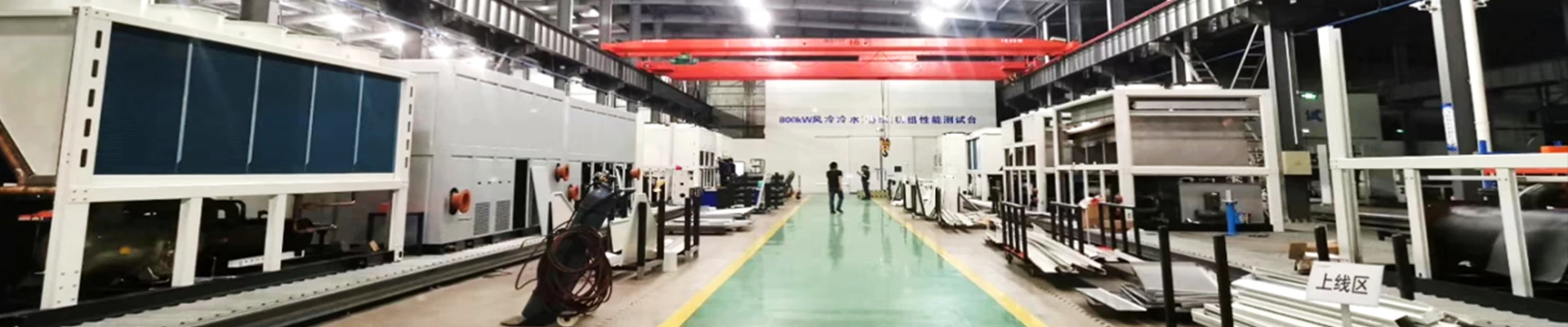
As a professional refrigeration equipment manufacturer in China, Lynxcool designs, manufactures, and tests chiller units for commercial, industrial, and specialized cooling applications. Our factory integrates production, quality inspection, and system testing to ensure each unit meets project requirements before delivery.
Lynxcool provides customized chiller solutions for HVAC contractors, engineering companies, and industrial customers worldwide. With experience in screw chillers, centrifugal chillers, and customized refrigeration systems, we support customers from equipment selection and technical configuration to installation guidance and after-sales service.
- View as
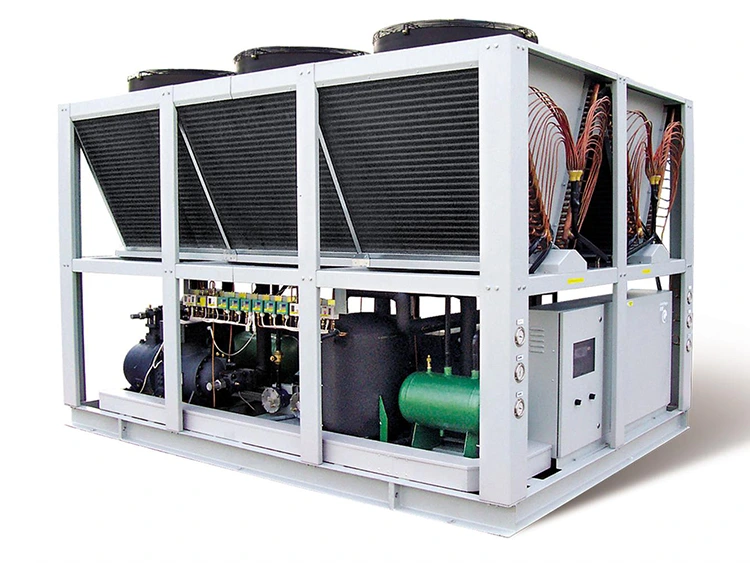
Air-Cooled screw chiller Unit
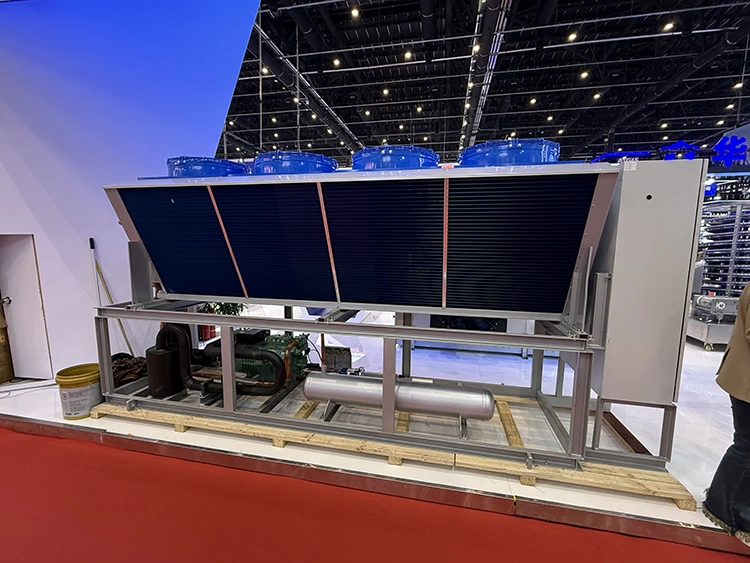
The Air-Cooled Screw Chiller Units for industrial, commercial, and process cooling applications where independent operation and flexible installation are required. Using screw compressor technology and air-cooled condenser design, the unit eliminates cooling towers and condenser water systems, reducing installation requirements while providing stable cooling performance for factories, cold chain facilities, logistics centers, and large commercial buildings.
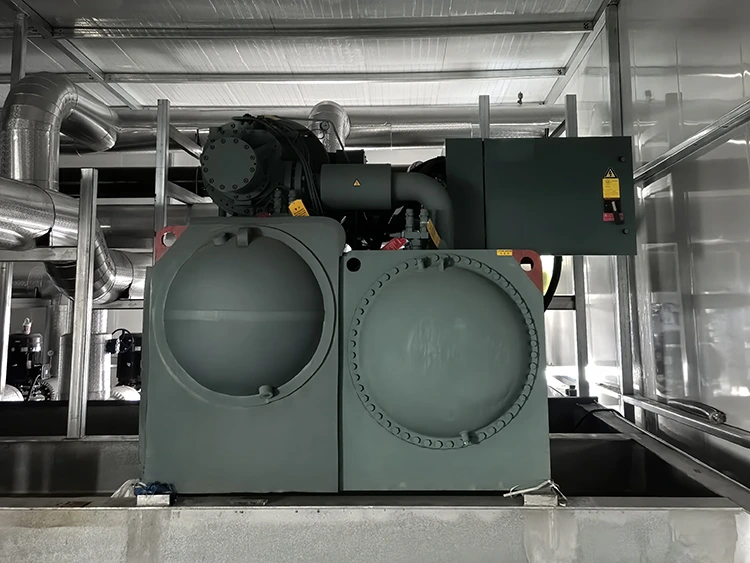
Water-Cooled Screw Chiller Unit
Lynxcool Water-Cooled Screw Chiller Unit is designed for large-scale cooling systems where stable operation, energy efficiency, and long service life are required. Manufactured by Qingdao Lynxcool Refrigeration Tech Co., Ltd., the unit combines twin-screw compressor technology, high-efficiency heat exchangers, and intelligent control systems to provide reliable chilled water solutions for industrial plants, commercial buildings, hospitals, data centers, and process cooling applications.
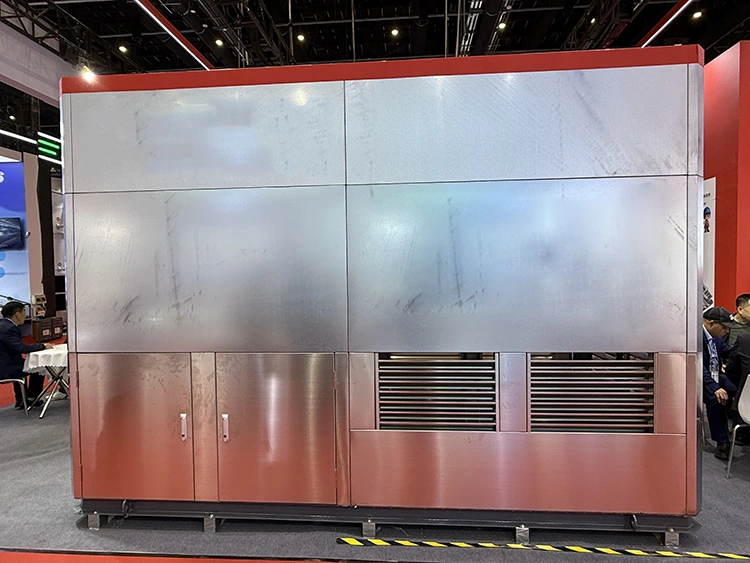
Evaporative Cooled Screw Chiller Unit
Lynxcool Evaporative Cooled Screw Chiller Unit is designed for projects that require higher cooling efficiency without the complexity of a traditional cooling tower system. By combining evaporative condenser technology with a twin-screw compressor, the unit achieves lower condensing temperature, improved energy performance, and stable chilled water supply for industrial and commercial cooling applications.
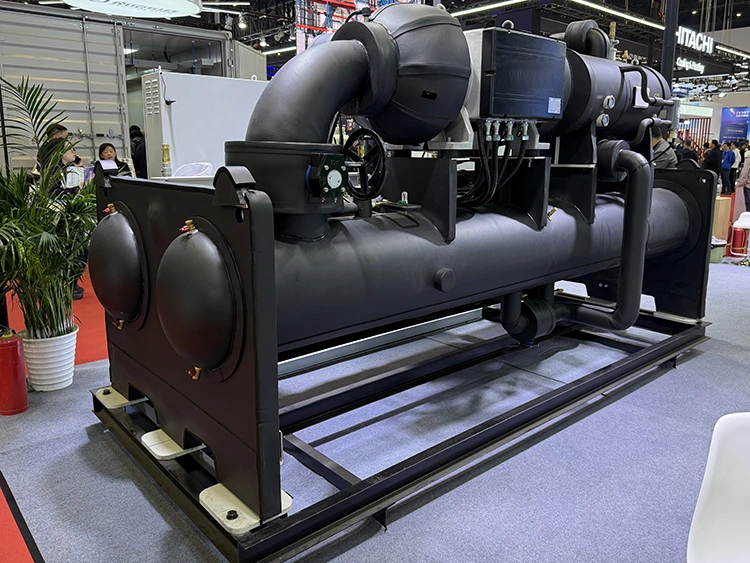
Magnetic Levitation Centrifugal Chiller Unit
Magnetic Levitation Centrifugal Chiller Unit is a complete refrigeration system built around a magnetic bearing centrifugal compressor, combined with an evaporator, condenser, expansion device, and intelligent control system. The unit is designed for medium and large commercial buildings, data centers, industrial plants, cold chain logistics centers, and pharmaceutical manufacturing facilities where reliable chilled water supply is required for HVAC and process cooling applications.
Air-Bearing Centrifugal Chiller
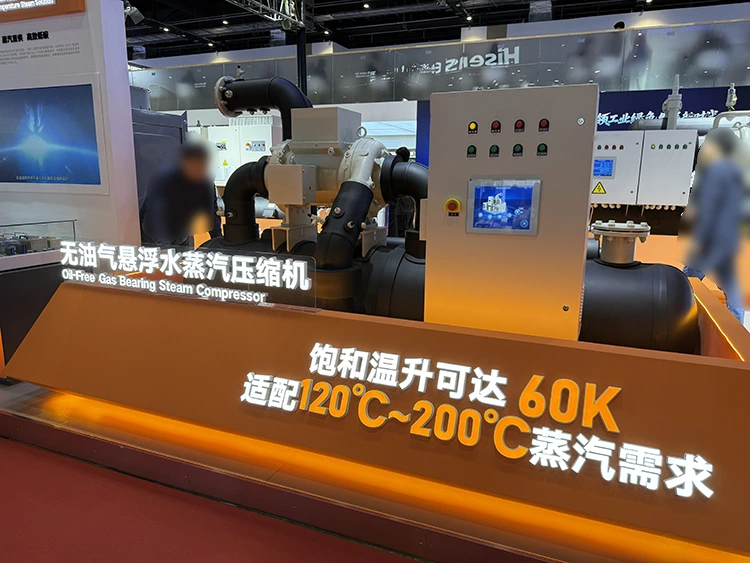
Lynxcool Air-Bearing Centrifugal Chiller Unit is developed for large cooling projects where energy consumption, operating stability and maintenance requirements are critical. Manufactured by Qingdao Lynxcool Refrigeration Tech Co., Ltd., the unit combines oil-free compressor technology, centrifugal refrigeration design and intelligent control to serve applications such as industrial plants, data centers, pharmaceutical facilities, commercial HVAC systems and district cooling projects. With Lynxcool’s experience in refrigeration engineering and system integration, the chiller can be customized according to different cooling conditions and project requirements.
As a reliable Chiller Unit manufacturer and supplier in China, we have our own factory. If you want to buy high-quality Refrigeration Units, please contact us.