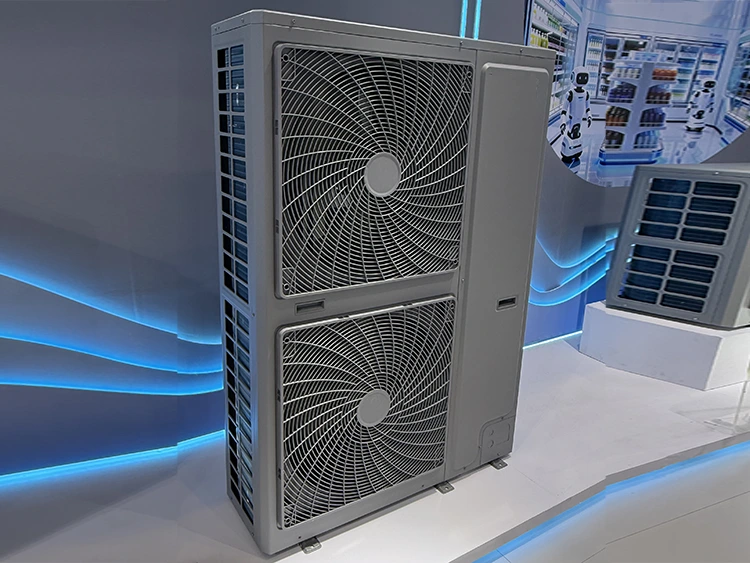
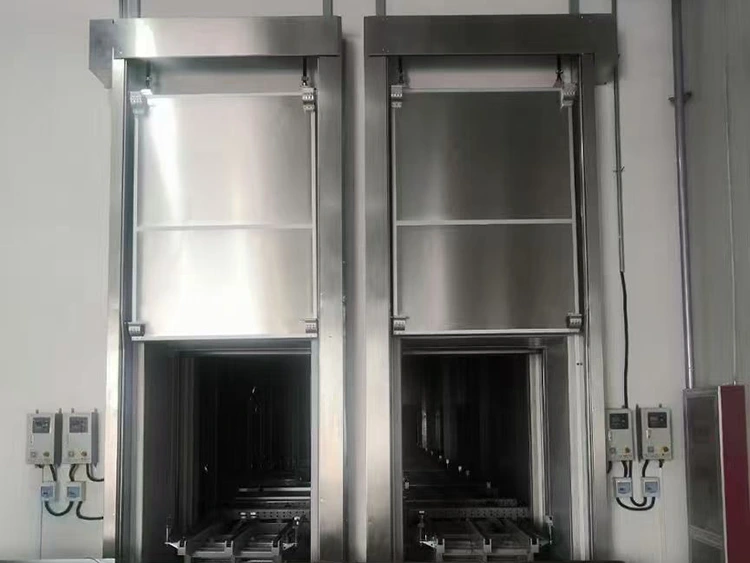
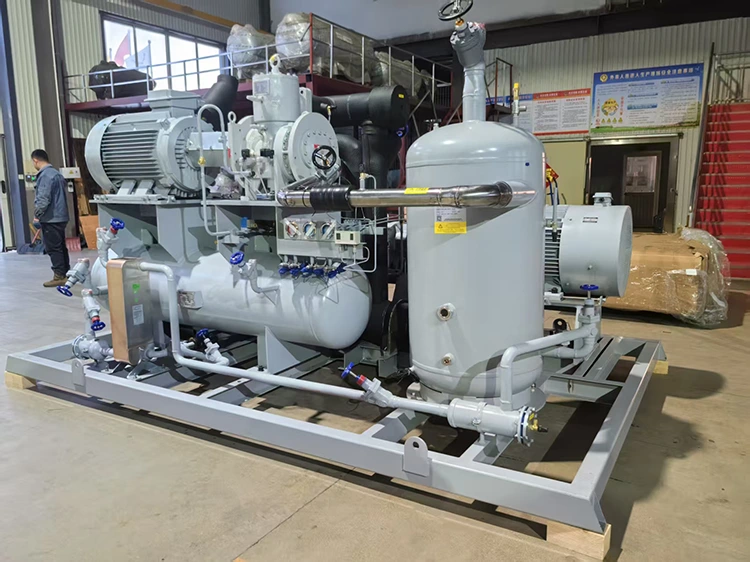
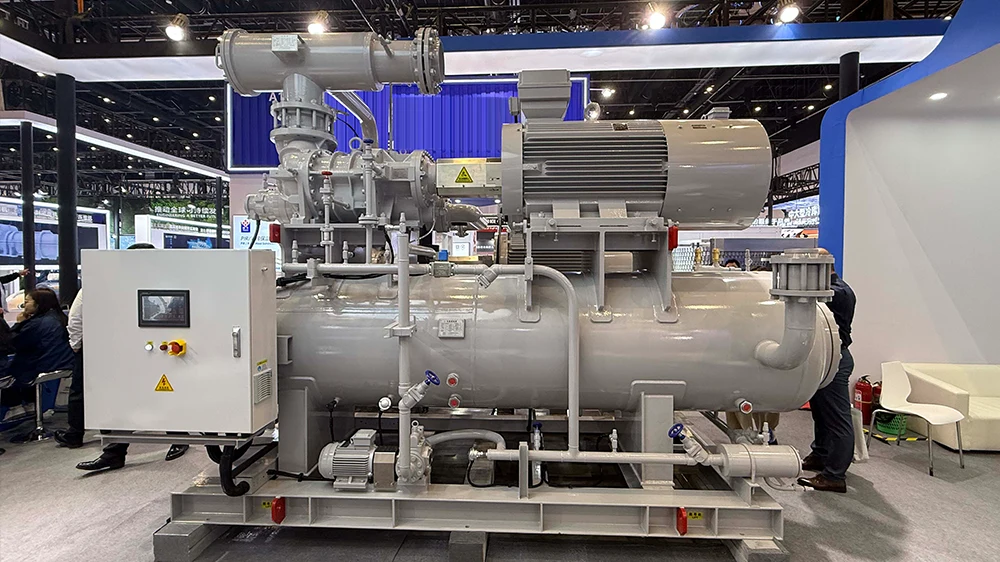
As cold storage facilities become more diversified, refrigeration systems are facing increasingly different operating requirements. Food processing plants, fresh produce warehouses, pharmaceutical storage rooms and industrial cooling facilities may operate at different temperature ranges and humidity conditions, making evaporator selection an important part of cold room design.
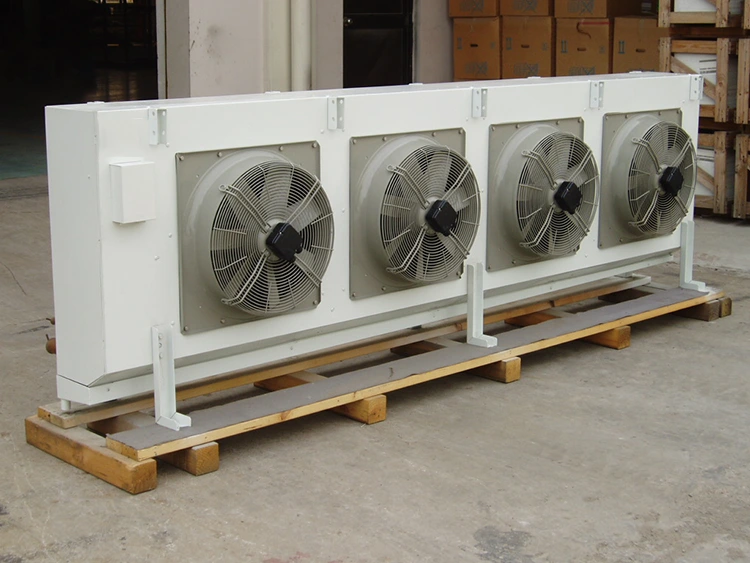
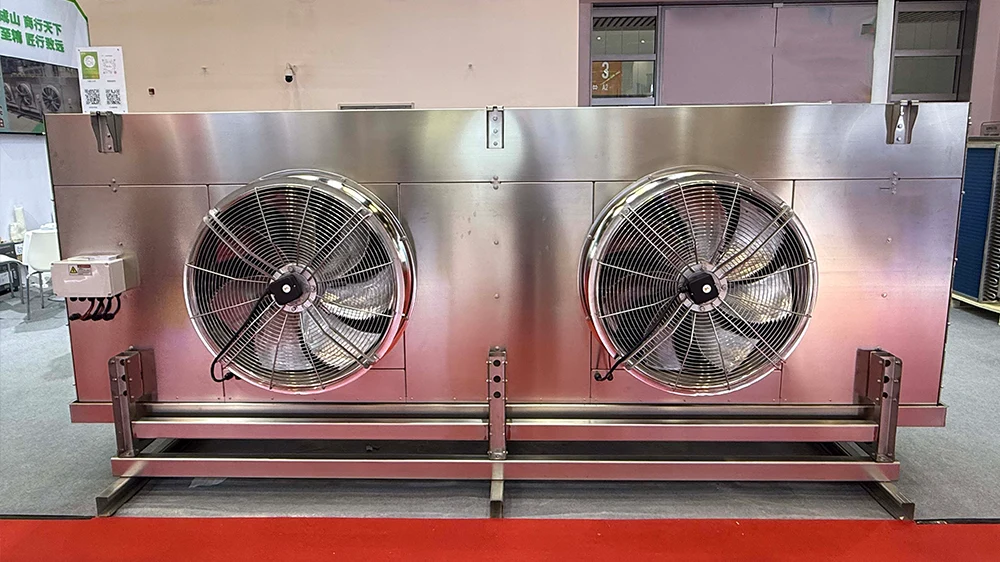
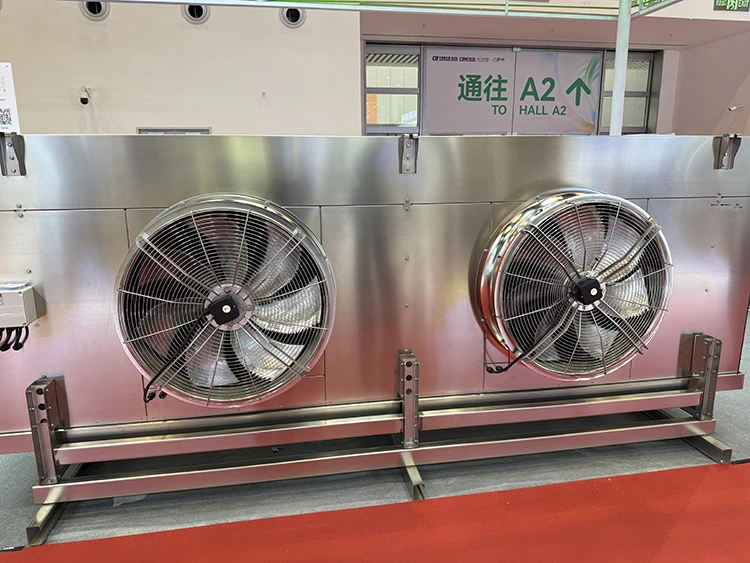
For these applications, the high temperature unit cooler is commonly used to circulate cooled air and maintain a more consistent temperature throughout the refrigerated space.
Why Air Distribution Matters in Cold Storage
Maintaining the required temperature is not only a matter of compressor capacity. Air circulation inside the room also affects temperature consistency, product storage conditions and the overall performance of the refrigeration system.
An improperly selected unit cooler may create areas with insufficient airflow or uneven cooling. This can lead to temperature differences between different areas of the storage room, particularly in larger cold rooms or facilities with frequent loading and unloading.
Modern unit cooler designs therefore place greater attention on:
Stable airflow throughout the refrigerated space
Suitable heat exchange capacity
Air distribution according to room layout
Frost and condensate management
Compatibility with the complete refrigeration system
A copper tube and aluminum fin heat exchanger, combined with an axial fan system, is one commonly used configuration for these applications.
Different Cold Rooms Require Different Evaporator Configurations
There is no single unit cooler configuration suitable for every refrigeration project.
A fruit and vegetable storage room, for example, may have different humidity and airflow requirements from a food processing workshop. Pharmaceutical storage may place greater emphasis on temperature stability, while industrial refrigeration projects may prioritize continuous operation and equipment durability.
For this reason, unit cooler selection should consider several factors together:
Storage Temperature
Operating temperature affects coil design, airflow requirements and defrost selection. High-temperature storage applications may use different configurations from lower-temperature frozen storage.
Room Size and Layout
The dimensions of the cold room and the distance that cooled air needs to travel affect fan selection and airflow distribution. Ceiling-mounted, wall-mounted and floor-standing configurations can be considered according to the installation environment.
Humidity and Frost Conditions
Humidity inside the refrigerated space directly influences frost formation on the evaporator coil. Electric heating defrost and air defrost can be selected according to operating conditions and refrigeration system design.
Refrigeration System Matching
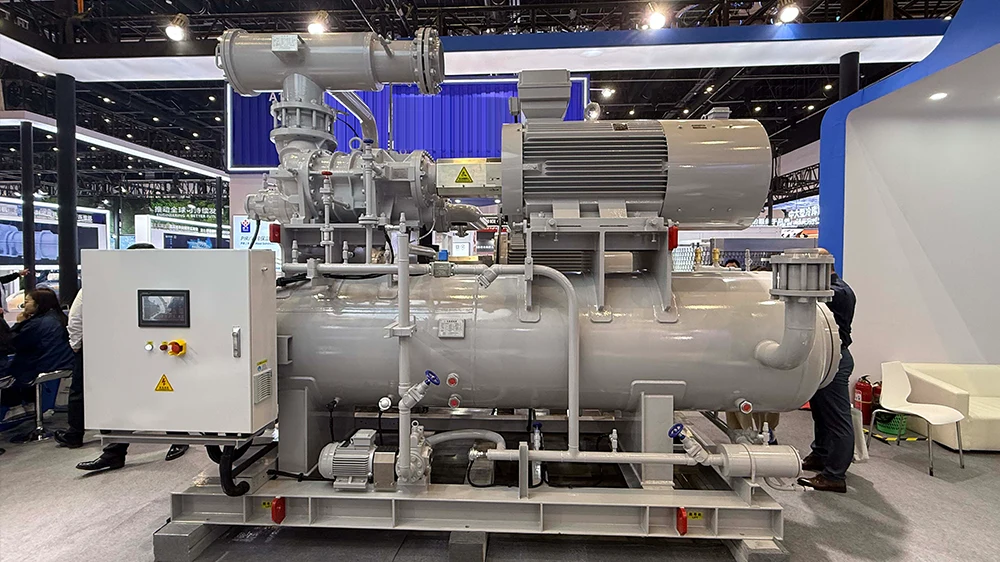
The evaporator does not operate independently. It needs to work together with the compressor, condenser, expansion device and control system. Selecting the unit cooler according to the complete system helps reduce capacity mismatch and operational problems.
Heat Exchanger Design Remains a Key Performance Factor
The heat exchanger is one of the most important components of a unit cooler.
Copper tubes provide good thermal conductivity, while aluminum fins increase the effective heat exchange area. The tube expansion process also affects the contact between tubes and fins and, consequently, the heat transfer performance of the coil.
For applications requiring stable long-term operation, manufacturing quality is equally important. Tube expansion, welding, coil construction and casing materials all influence the mechanical reliability of the finished unit.
For environments with higher corrosion requirements, galvanized steel with powder coating or stainless steel construction can be selected according to project conditions.
Defrost Selection Should Match Actual Operating Conditions
Frost accumulation can gradually restrict airflow and reduce heat transfer efficiency. However, the appropriate defrost method depends on the actual application rather than simply choosing the most powerful option.
Electric heating defrost can be used where regular frost removal is required. In higher-temperature refrigeration environments where frost formation is relatively limited, air defrost may also be suitable.
The correct choice should take into account operating temperature, room humidity, refrigeration cycle and expected operating conditions.
What Should Buyers Consider When Selecting a Unit Cooler?
For refrigeration equipment buyers, comparing products only by model or nominal capacity may not be enough.
Based on these conditions, the manufacturer can recommend a suitable coil, fan configuration, installation method and defrost solution.
Lynxcool's Approach to Unit Cooler Selection
Qingdao Lynxcool Refrigeration Tech Co., Ltd. manufactures refrigeration equipment for cold storage and industrial refrigeration applications. Its high temperature unit cooler uses a copper tube and aluminum fin coil structure with an axial fan system to provide continuous air circulation inside refrigerated spaces.
The equipment can be configured for ceiling-mounted, wall-mounted or floor-standing installation, while electric heating defrost and air defrost options are available according to application requirements.
For projects requiring more than equipment supply, Lynxcool also provides equipment selection, refrigeration system matching, installation guidance and commissioning support.
Conclusion
As cold storage applications become more specialized, evaporator selection is increasingly connected with temperature consistency, airflow management, frost control and overall refrigeration system performance.
For cold room owners, contractors and refrigeration equipment distributors, the key is not simply to find a unit cooler with sufficient cooling capacity, but to select a configuration that matches the actual room conditions and complete refrigeration system.
A properly selected high temperature unit cooler can provide stable air circulation while supporting reliable temperature control across food storage, fresh produce, pharmaceutical and industrial refrigeration applications.
We use cookies to offer you a better browsing experience, analyze site traffic and personalize content. By using this site, you agree to our use of cookies.Privacy Policy