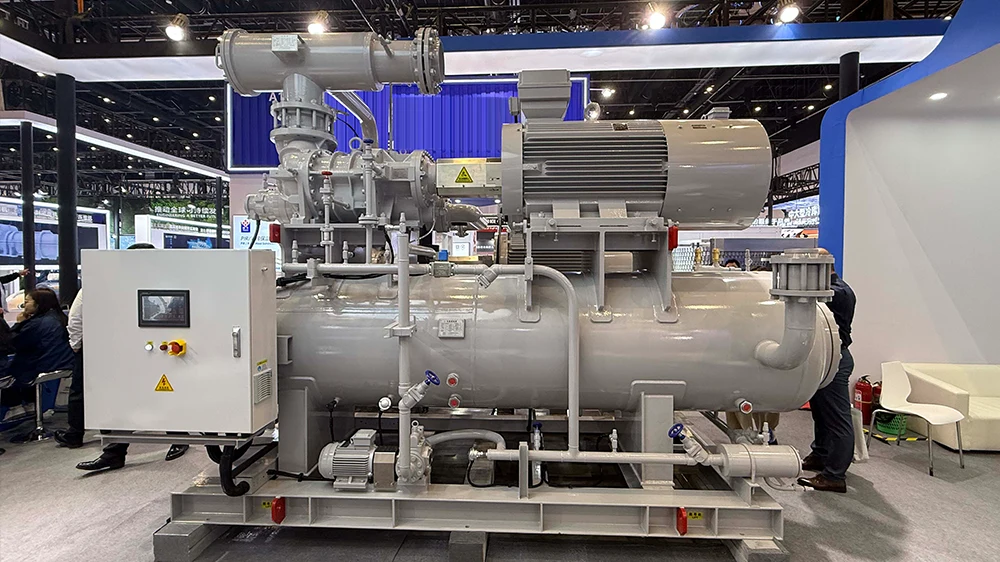
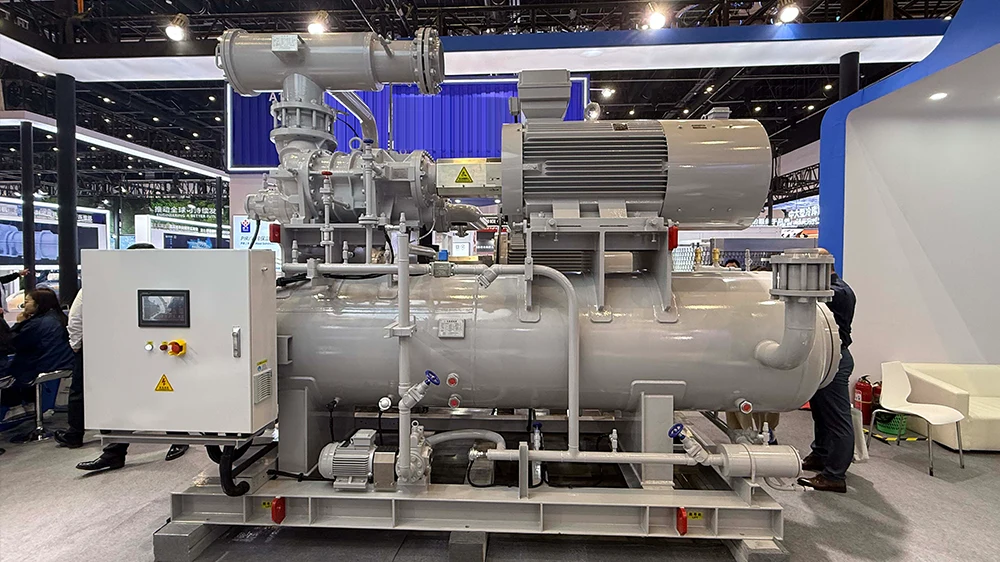
The global refrigeration industry is undergoing a quiet but significant transformation. For decades, fluorinated refrigerants (HFCs) such as R404A and R134a dominated cold storage, food processing, and supermarket refrigeration. That era is ending.
The Regulatory Driver
Under the Kigali Amendment to the Montreal Protocol, developed countries began phasing down HFCs in 2019, while developing countries will follow suit in stages through 2045. The European Union's F-Gas Regulation has already triggered a sharp reduction in the quota supply of high-GWP (Global Warming Potential) refrigerants. China, the world's largest producer and consumer of refrigeration equipment, has also committed to the phase-down schedule.
For cold storage operators, food processors, and logistics companies, the message is clear: the refrigerants you rely on today may become expensive, scarce, or outright banned within the next five years.
Why CO₂ (R744) Is Emerging as the Leading Alternative
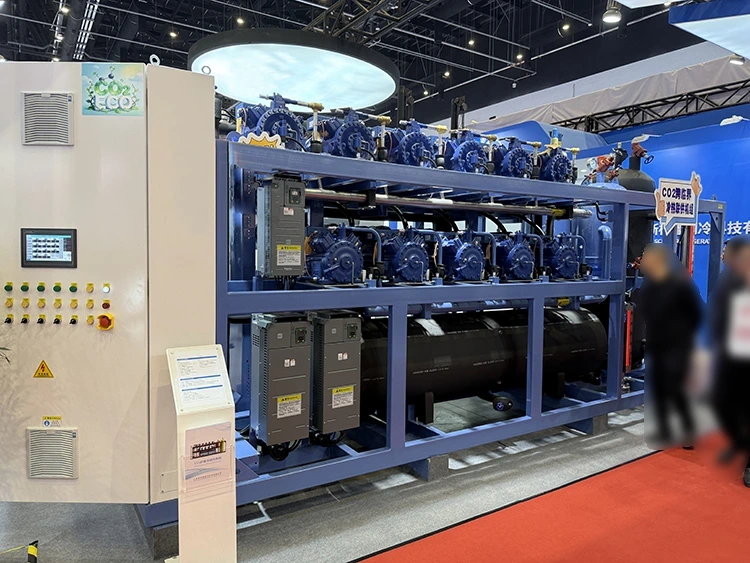
Carbon dioxide (R744) has been used as a refrigerant for over a century, but recent technological advancements have made it a practical, efficient, and cost-competitive choice for modern refrigeration systems.
Key advantages include:
GWP of 1: Compared to R404A's GWP of 3,922, CO₂ represents a 99.97% reduction in direct climate impact.
Natural refrigerant: No ozone depletion potential, no synthetic chemical concerns.
Excellent heat transfer properties: CO₂ systems often require smaller pipe diameters and less refrigerant charge than HFC alternatives.
Performance in low-temperature applications: CO₂'s thermodynamic properties make it particularly efficient for sub-zero cold storage and freezer operations.
Transcritical vs. Subcritical CO₂ Systems
Two main system architectures exist:
System Type
Application
Efficiency Profile
Subcritical CO₂
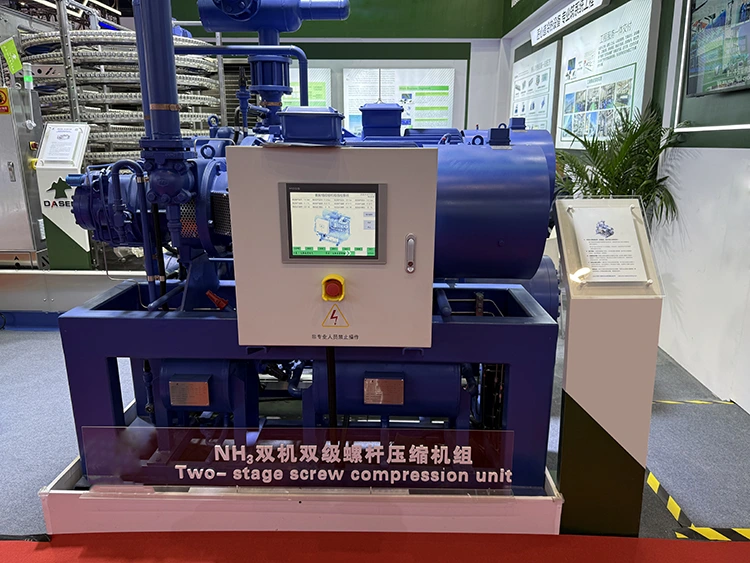
Used as a secondary refrigerant or in cascade systems with another refrigerant (e.g., NH₃/CO₂ cascade)
Highly efficient for medium and low-temperature applications; widely used in large industrial cold storage
Transcritical CO₂
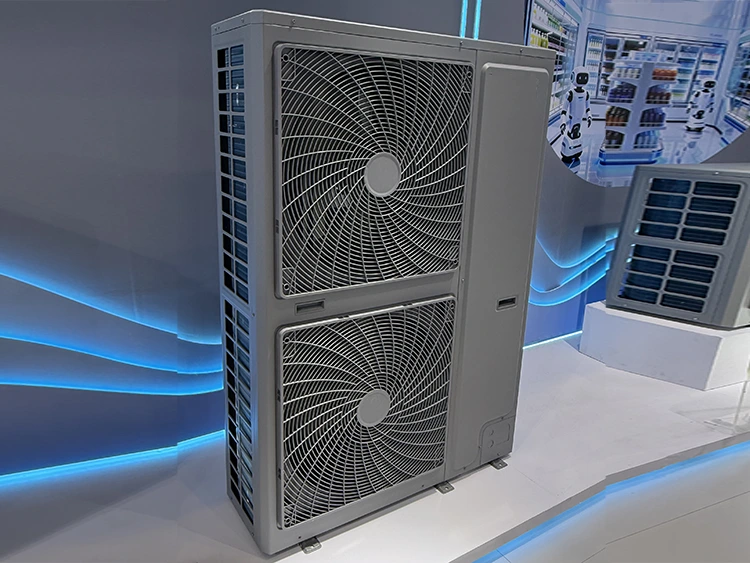
Operates above the critical point; common in commercial supermarkets and smaller industrial installations
Efficiency depends on ambient temperature; best suited for moderate or cold climates; modern ejector and parallel compression technologies are closing the gap in warm regions
What This Means for Your Refrigeration Investment
If you are planning a new cold storage facility, a blast freezer, or an ice plant upgrade, the choice of refrigeration system is no longer just about upfront cost. Key considerations now include:
Refrigerant availability and cost: HFC prices are volatile and trending upward due to production quotas and import restrictions.
Future regulatory compliance: A system designed around a soon-to-be-phased-out refrigerant may face costly retrofitting or early replacement.
Energy efficiency: Transcritical CO₂ systems with heat recovery can supply hot water for facility cleaning or space heating, improving overall energy utilization.
Safety and space requirements: CO₂ systems require higher operating pressures than HFC systems, which influences component selection and piping design.
Lynxcool's Approach to CO₂ Refrigeration
Lynxcool Refrigeration Tech Co., Ltd. has been actively developing natural refrigerant solutions since 2018, with a focus on CO₂/NH₃ cascade systems and transcritical CO₂ booster systems. Our engineering team has completed projects ranging from small CO₂ supermarket installations to large-scale ammonia/CO₂ cascade systems for cold storage distribution centers.
Our capabilities include:
System design and simulation: Using thermodynamic modeling to optimize performance for your specific climate and load profile.
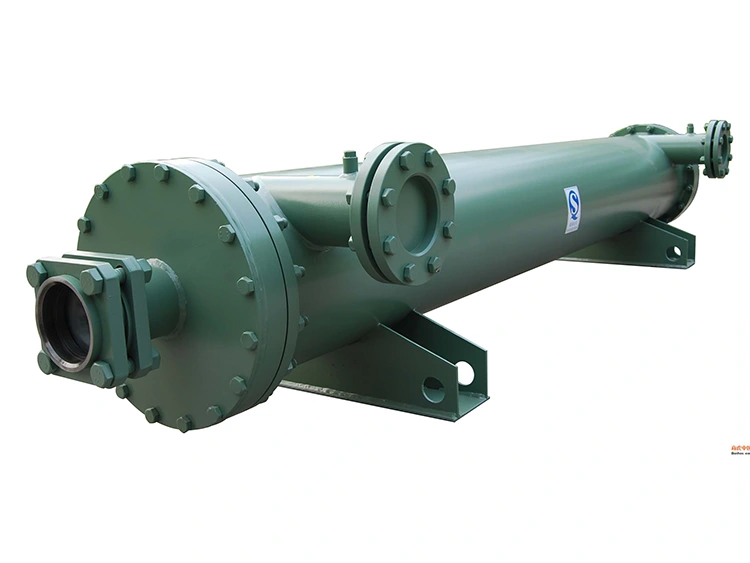
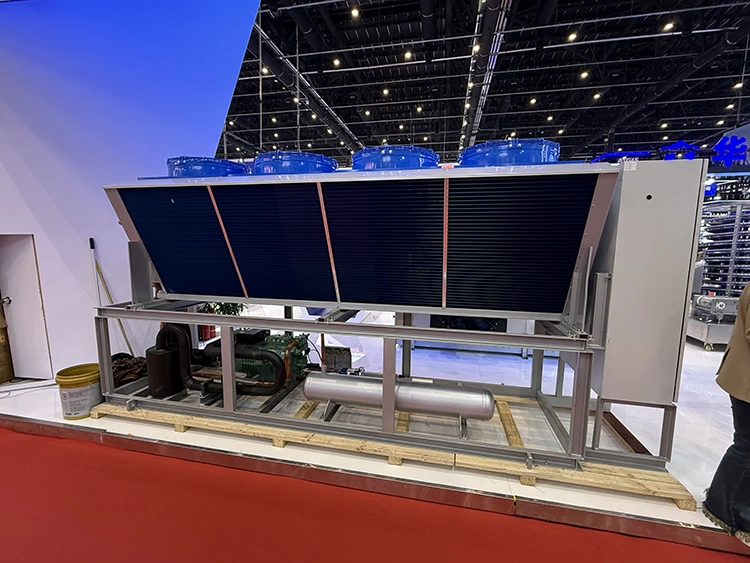
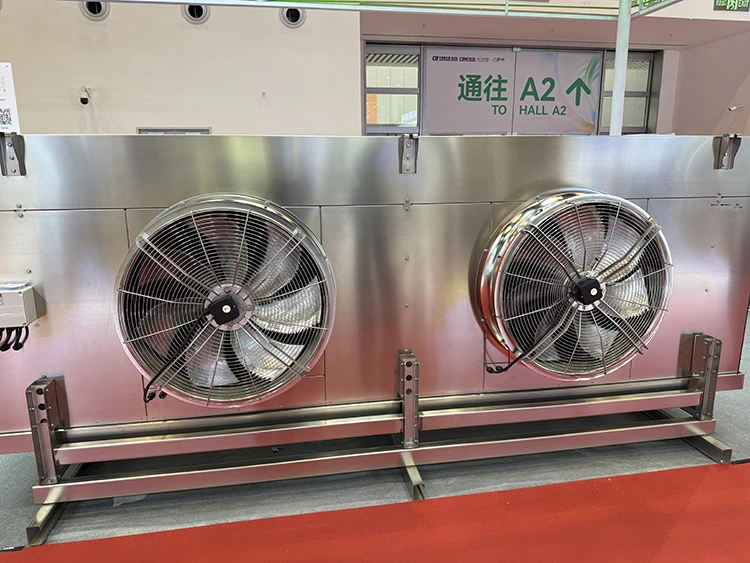
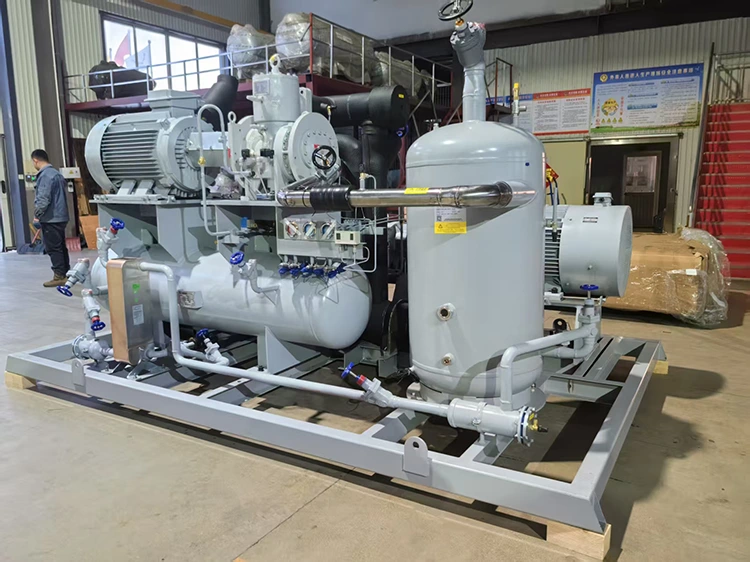
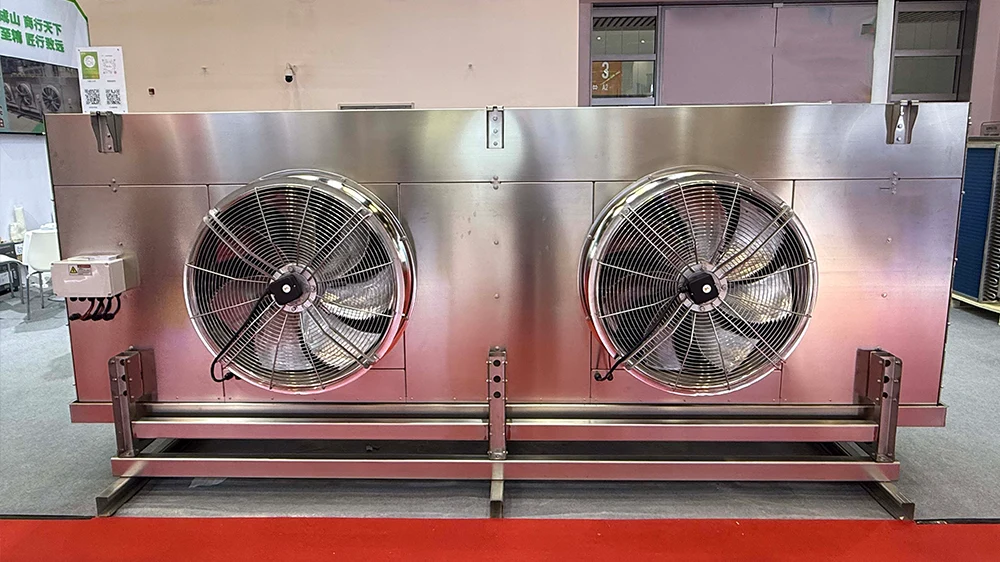
Manufacturing: Producing high-pressure CO₂ compressor units, evaporators, gas coolers, and control systems to ASME and PED standards.
Installation and commissioning: Experienced field engineers to ensure safe, efficient system startup.
Service support: 15 global service centers providing spare parts and technical assistance.
Looking Ahead
The transition to natural refrigerants is no longer a future trend — it is happening now. Cold storage developers, food manufacturers, and logistics operators who act early will benefit from:
Lower long-term operating costs due to energy efficiency and stable refrigerant prices
Regulatory readiness without the stress of last-minute compliance measures
Brand reputation as environmentally responsible operators in a carbon-conscious market
Lynxcool is here to guide you through every step of this transition. Whether you are exploring a full CO₂ system or considering a hybrid approach, our engineering team is ready to provide technical consultation based on your project needs.
We use cookies to offer you a better browsing experience, analyze site traffic and personalize content. By using this site, you agree to our use of cookies.Privacy Policy