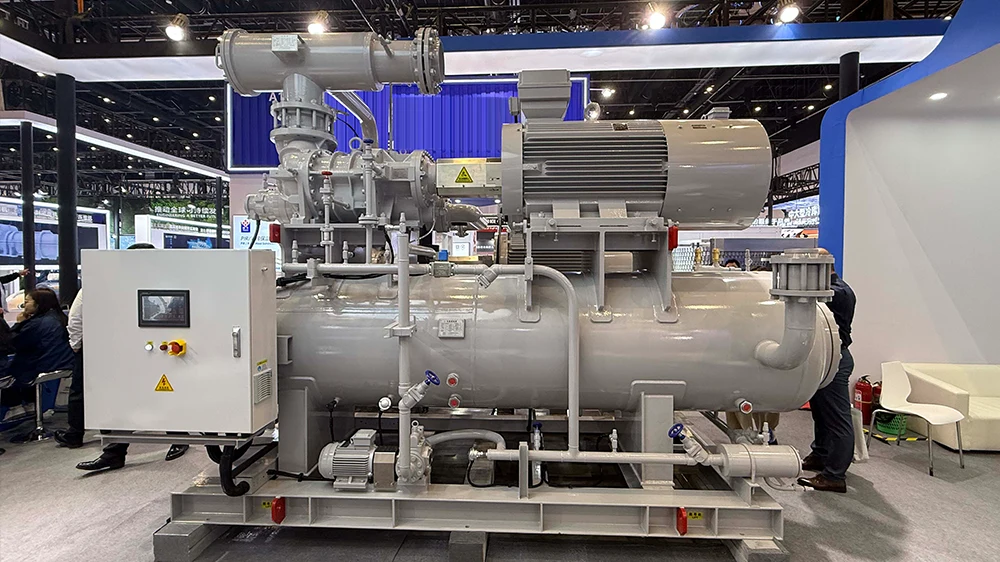
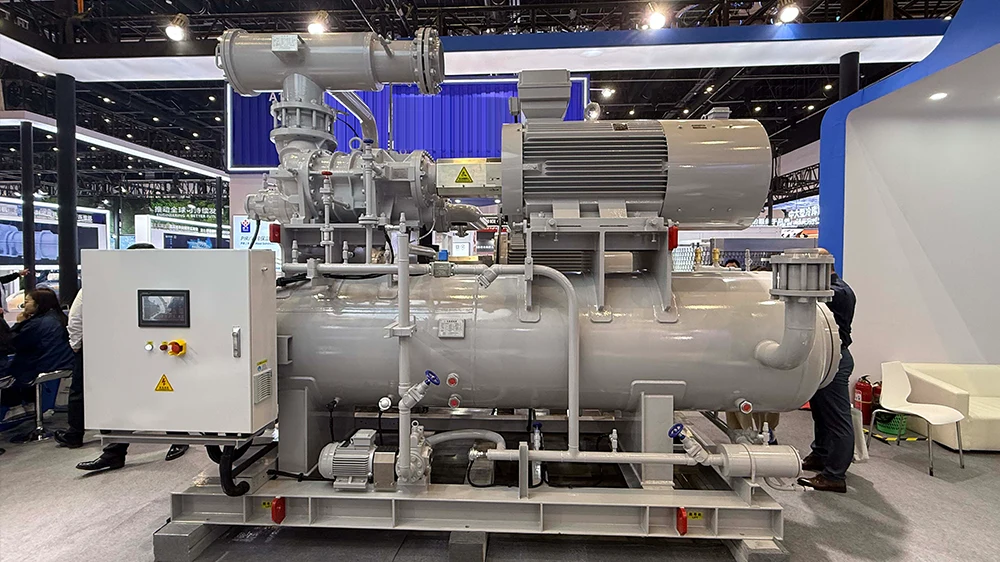
The evaporator is often the most overlooked component in refrigeration system design. While much attention goes to the compressor unit and condenser, it is the evaporator that ultimately determines how effectively cooling energy is transferred into the storage space or product.
A poorly matched evaporator leads to:
Increased energy consumption due to reduced heat transfer efficiency
Temperature fluctuations that affect product quality
Frost and ice buildup that reduces airflow and requires frequent defrost cycles
Shortened compressor life from excessive suction pressure variations
This guide provides a practical framework for selecting the right evaporator for your cold storage, food processing, or industrial refrigeration application.
Step 1: Define Your Operating Temperature
Evaporator selection starts with the required room temperature or product temperature.
The evaporator must be capable of handling the total cooling load, which includes:
Product load: The heat that must be removed to cool the product to its storage temperature.
Transmission load: Heat gain through walls, ceiling, floor, and insulation.
Infiltration load: Heat and moisture entering through door openings during loading/unloading.
Internal heat sources: Lighting, forklift traffic, personnel, and equipment.
As a rough estimate, typical cold storage design loads are:
Cold storage (0°C to +5°C): 150-200 W/m³
Freezer (-18°C to -25°C): 200-300 W/m³
Blast freezer (-30°C to -40°C): 500-1,000 W/m³ (highly product-dependent)
Professional Tip: Lynxcool's engineering team provides detailed load calculations as part of our free technical consultation service. Contact us to get an accurate load analysis for your project.
Step 3: Select Evaporator Type
Based on application requirements, the following evaporator types are available:
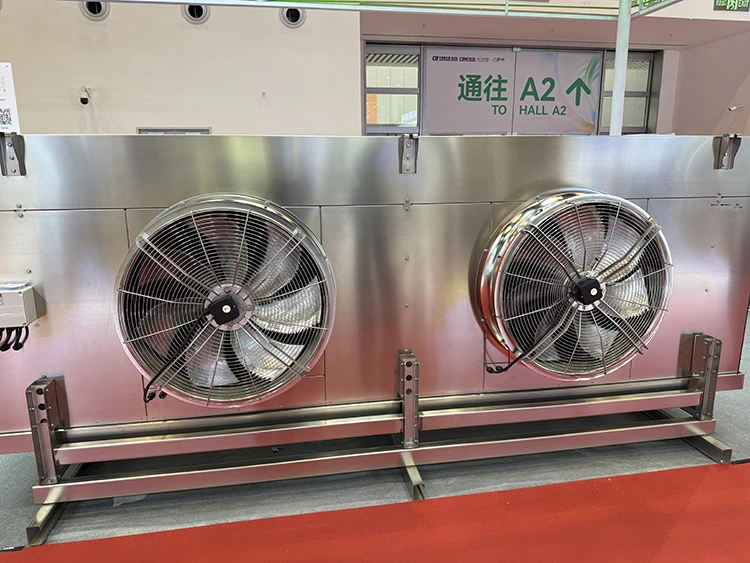
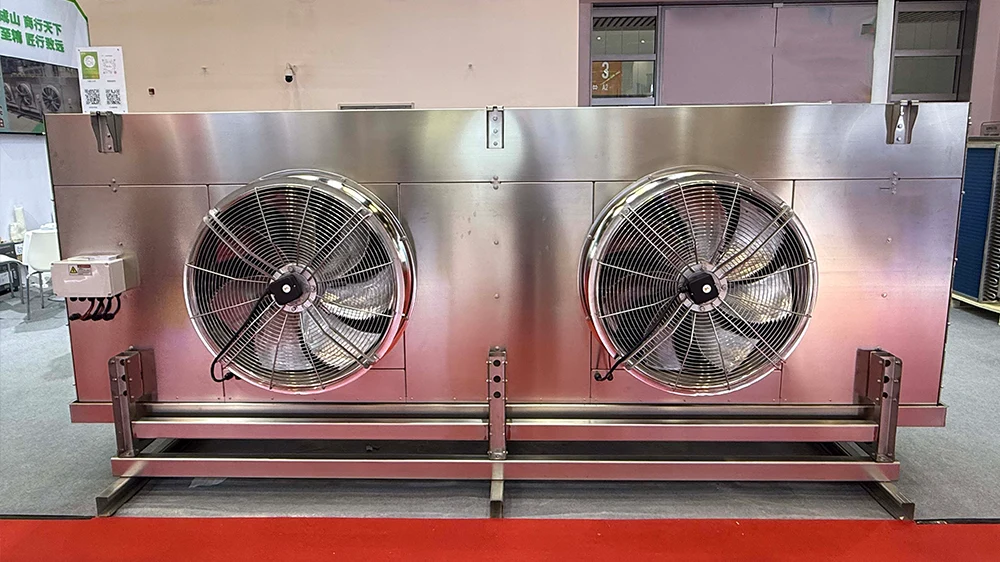
Unit Coolers (Standard Duty)
Best for: Cold rooms, warehouses, and distribution centers
Features: Axial fans, electric or hot gas defrost, aluminum fins, copper tubes
Fin spacing options: 3 mm (low temp), 4 mm (medium temp), 6 mm (high temp)
Blast Freezer Unit Coolers (Heavy Duty)
Best for: Rapid freezing of meat, seafood, and prepared foods
Features: High-velocity fans, increased fin density, stainless steel casing, hot gas defrost
Design considerations: Product flow pattern, air circulation, and freezing time targets
Aluminium Pipe Coils (Custom Applications)
Best for: Industrial and customized refrigeration systems
Features: Bare tube aluminum or steel, natural convection or forced air, corrosion-resistant coatings
Applications: Chemical processing, large-scale cold storage, specialty food aging rooms
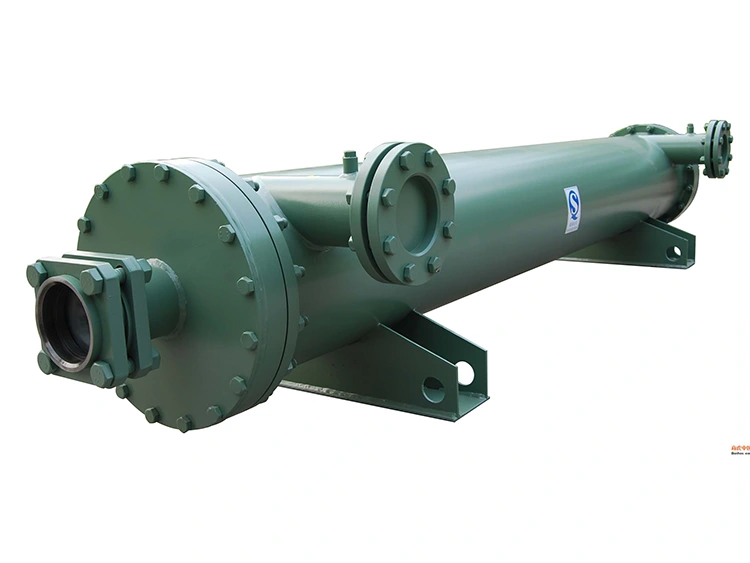
Best for: Liquid chilling, process cooling, and heat pump systems
Features: Tube-in-shell configuration, liquid-side heat transfer, full water flow
Refrigerants: Compatible with R507A, R404A, R744 (CO₂), and ammonia
Step 4: Consider Defrost Strategy
Defrost frequency and method significantly impact evaporator performance and energy consumption.
Electric defrost: Simple installation, moderate cost, suitable for medium and small applications
Hot gas defrost: Faster defrost cycle, energy-efficient, ideal for low-temperature applications
Water defrost: Effective but requires water supply and drainage system; commonly used in large industrial evaporators
Recommended defrost frequency:
Application Type
Defrost Frequency
Defrost Method
High-temperature cold room
Once per day or as needed
Electric
Medium-temperature cold room
2-4 times per day
Electric or hot gas
Low-temperature freezer
4-6 times per day
Hot gas
Blast freezer
2-4 times per day (variable)
Hot gas
Step 5: Evaluate Installation and Maintenance
Consider these practical factors:
Accessibility: Can the evaporator be easily accessed for cleaning and maintenance?
Drainage: Adequate condensate drainage slope and trap design to prevent water accumulation.
Airflow: Sufficient clearance between evaporator and walls or products for proper air circulation.
Noise: Select fan models with appropriate noise ratings for the application environment.
Step 6: Request a Professional Evaluation
While this guide provides a starting point, every refrigeration project has unique requirements. Factors such as product type, packaging, stacking height, air circulation pattern, and local climate all influence the final evaporator selection.
Lynxcool offers free technical consultation and product selection for cold storage and industrial refrigeration projects. Our engineering team uses validated simulation tools and real-world project experience to recommend evaporators that deliver optimal performance for your specific application.
Contact us today with your project details, and we will provide a preliminary evaporator selection and quotation within 48 hours.
We use cookies to offer you a better browsing experience, analyze site traffic and personalize content. By using this site, you agree to our use of cookies.Privacy Policy