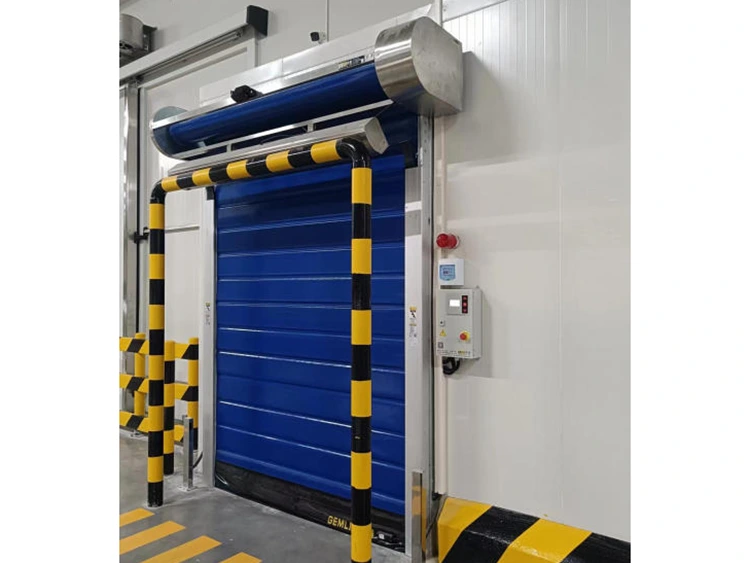
Vertical Lift Door
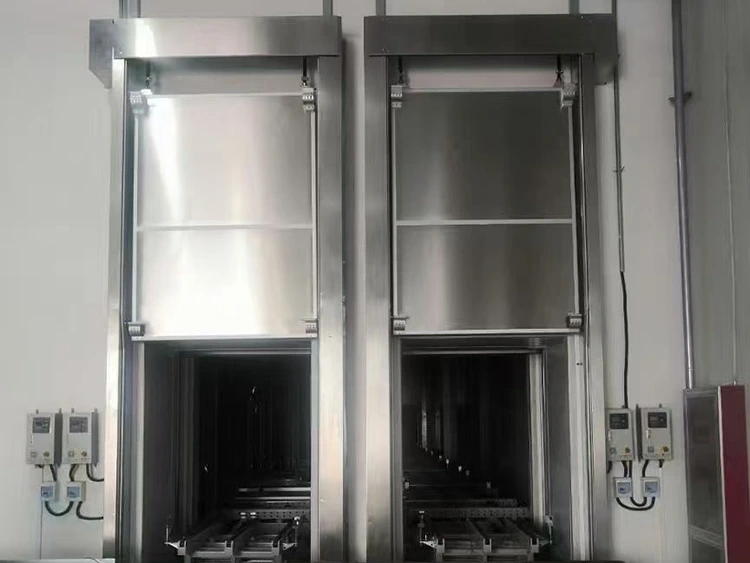
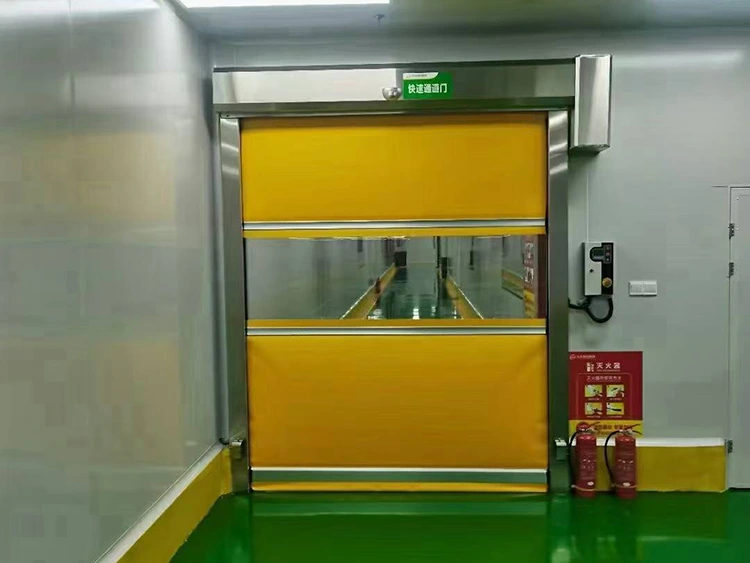
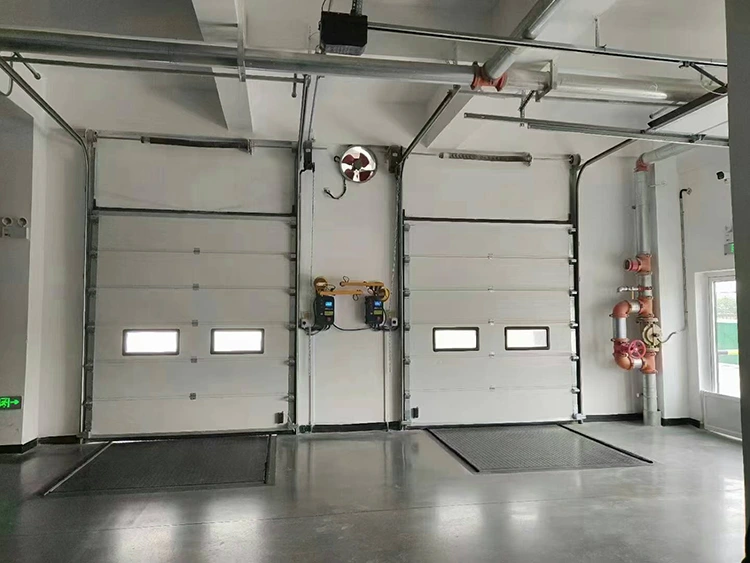
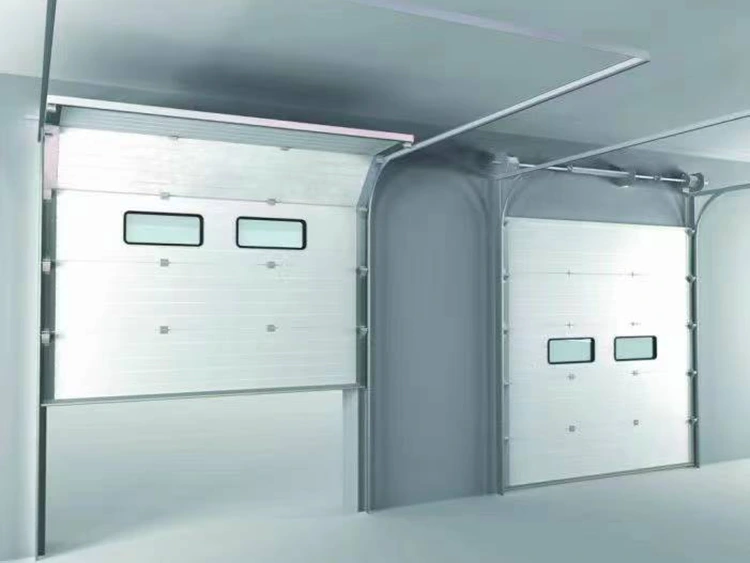
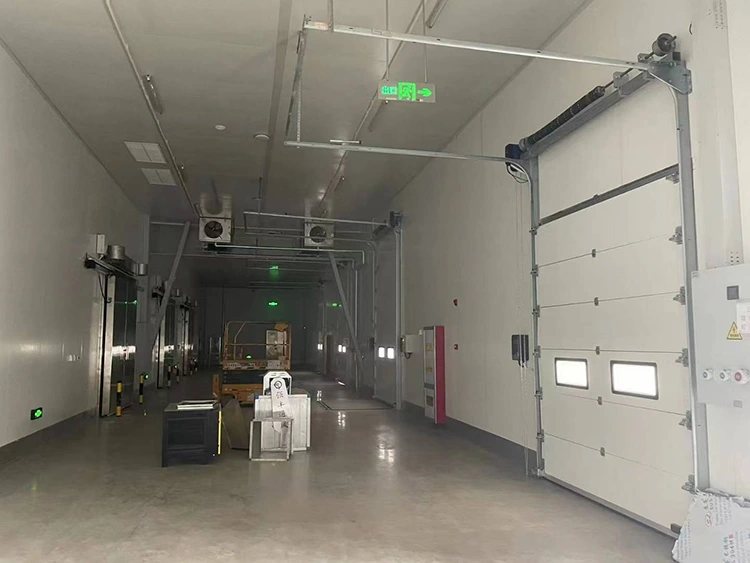
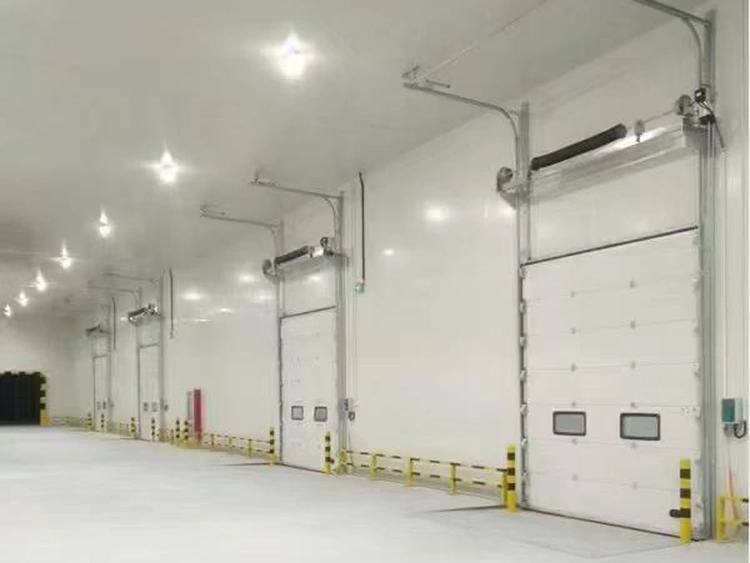
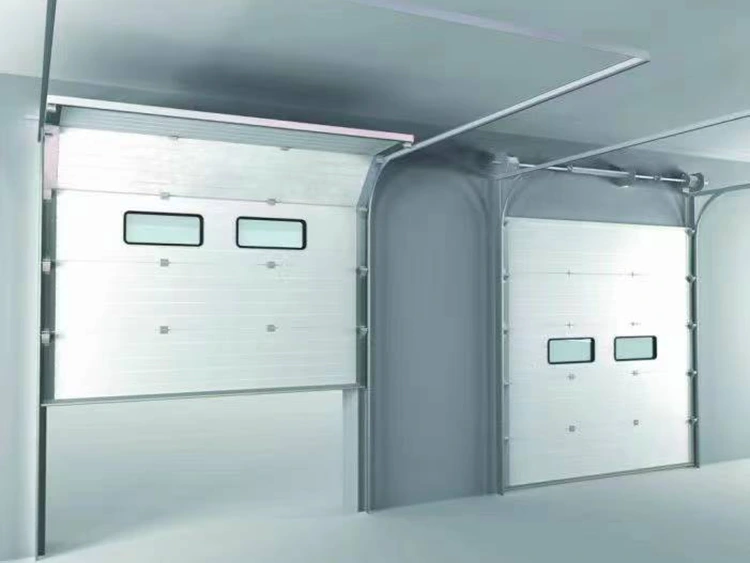
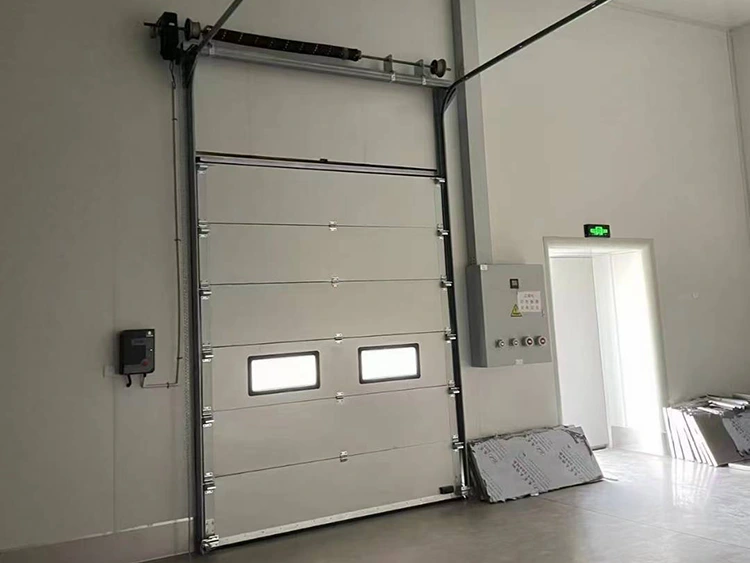
Vertical Lift Door is designed for cold storage, food processing plants, and logistics facilities where space utilization and insulation performance are critical. The door panel moves vertically along tracks, avoiding ceiling obstruction and allowing installation in high-clearance areas or automated loading zones.
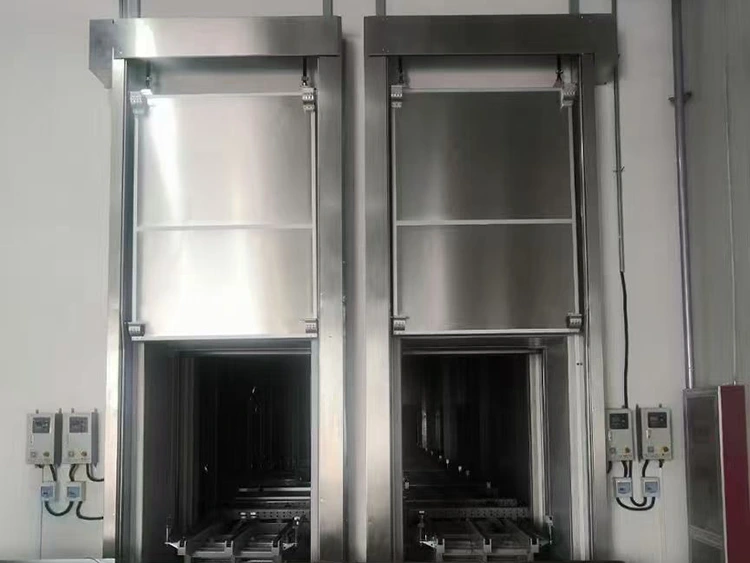
Built with aluminum alloy or 304 stainless steel frames and polyurethane insulation panels up to 100mm thick, it provides reliable thermal separation for -25°C to +10°C environments. Equipped with low-temperature heating cables, double sealing strips, and safety release devices, it ensures stable operation. Lynxcool provides complete engineering support, including measurement, installation, and integration with refrigeration and automation systems.
Built with aluminum alloy or 304 stainless steel frames and polyurethane insulation panels up to 100mm thick, it provides reliable thermal separation for -25°C to +10°C environments. Equipped with low-temperature heating cables, double sealing strips, and safety release devices, it ensures stable operation. Lynxcool provides complete engineering support, including measurement, installation, and integration with refrigeration and automation systems.
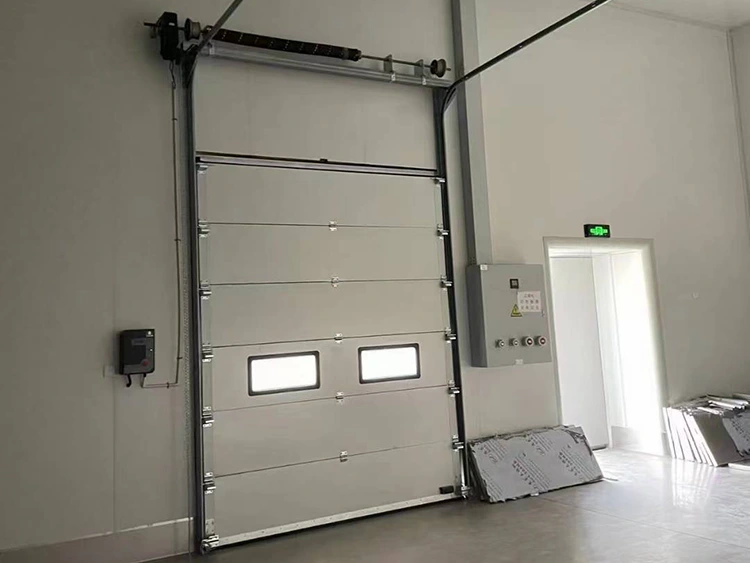
A vertical lift door is an industrial door system in which the door panel moves vertically along the wall, guided by vertical tracks. Its most distinctive feature is that, when open, the door panel is positioned entirely against the wall directly above the opening, leaving the area beneath the ceiling free of any horizontal tracks or suspended components.
Typical Applications:
Cold chain logistics transfer warehouses, freezers, and cold storage facilities
Food processing plants and central kitchens
Automotive repair workshops and paint/spray booths
Logistics distribution centers and loading docks
Large-scale equipment assembly plants
Fire stations and garages for specialized vehicles
Structural Composition and Working Principle
Structural Composition
Door Panel: Composed of inner and outer metal facings (steel, stainless steel, or aluminum alloy) and an internal core (polyurethane foam, polystyrene, or aluminum honeycomb). Thickness typically ranges from 40mm to 150mm, selected based on thermal insulation requirements and structural strength.
Vertical Tracks: Heavy-duty C-shaped or U-shaped galvanized steel rails mounted vertically on the walls flanking the door opening. They are secured via embedded fixtures or chemical anchors and feature internal guide sliders or rollers.
Balancing System: Utilizes torsion springs or counterweights to balance the weight of the door panel, allowing the motor to operate by overcoming only friction, thereby reducing energy consumption.
Drive System: A side-mounted gear motor installed on the torsion spring shaft, or a hydraulic power unit driving a wire rope drum. Motor power typically ranges from 1.5kW to 5.5kW, depending on the door's dimensions and weight.
Sealing Components: Weather-resistant rubber strips are installed around the perimeter of the door panel, while an inflatable (airbag-style) seal at the bottom compresses against the floor when closed, preventing air convection and dust ingress.
Control Box: Integrates a motor controller, variable frequency drive (VFD), safety relays, and signal interfaces; supports local push-button operation, remote control, sensors, and remote communication.
Working Principle
The motor drives the rotation of the drum, pulling the door panel up along the tracks via wire ropes or chains. During descent, the door lowers smoothly through motor reversal or gravity. The door can be stopped at any height, with precise positioning controlled by limit switches or encoders.
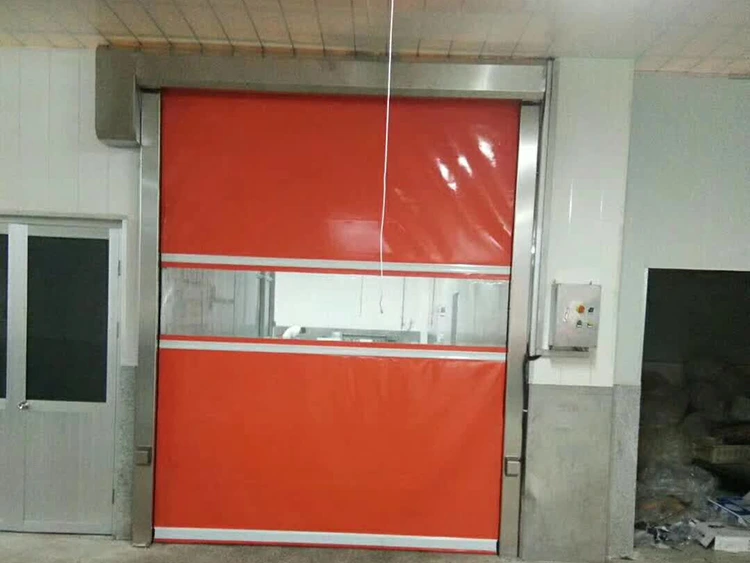
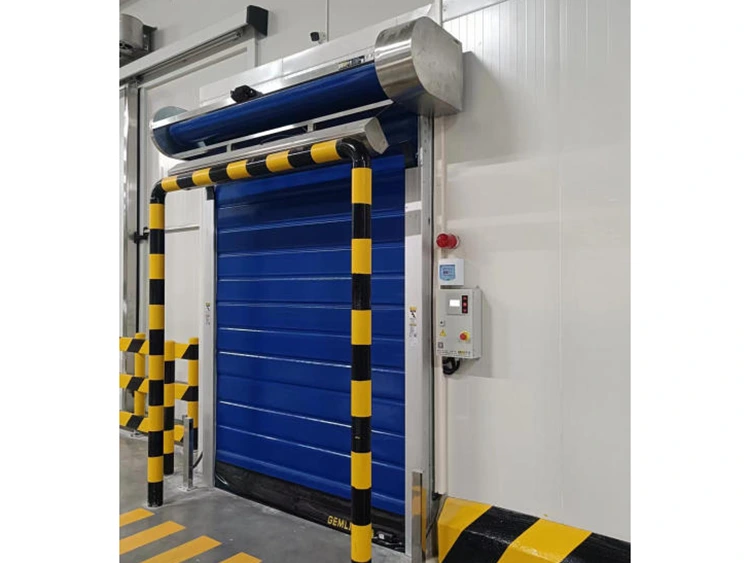
Main Types and Selection Guide
Based on different application scenarios and customer requirements, Vertical Lift Doors can be classified into the following types:
| Type | Door Panel Material / Filling | Insulation Performance | Operating Temperature | Typical Applications |
|---|---|---|---|---|
| Standard Insulated Type | Color-coated steel panels + polyurethane foam core | High (Thermal conductivity ≤0.024 W/m·K) | -25℃ to +40℃ | Cold storage rooms, temperature-controlled warehouses |
| Low-Temperature Reinforced Type | Stainless steel + polyurethane foam + heating cable system | Excellent (with additional anti-freezing heating system) | -45℃ to +10℃ | Blast freezers, ultra-low temperature cold storage |
| Lightweight Aluminum Alloy Type | Aluminum alloy frame + transparent polycarbonate/glass panels | Moderate | 0℃ to +50℃ | Indoor partitions, display passages, clean areas |
| Heavy-Duty Industrial Type | Steel panels (≥2.0mm thickness) + reinforced ribs | Non-insulated or optional insulation | -20℃ to +80℃ | Industrial plants, hangars, heavy-duty facilities |
| Explosion-Proof Type | Stainless steel + copper components + explosion-proof motor | Customized according to requirements | Hazardous and explosive environments | Chemical storage rooms, fuel stations |
Standard Size Range
- Door Width: ≤8,000mm (custom sizes available for special applications)
- Door Height: ≤6,000mm (larger openings require sectional lifting or combined solutions)
- Maximum Single Panel Weight: Approx. 1,500kg (balanced by counterweight system or heavy-duty torsion springs)
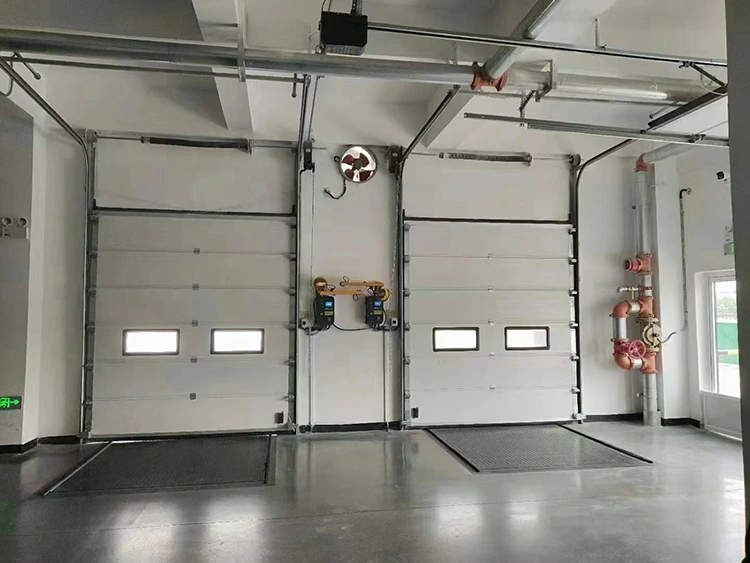
Installation Conditions and Engineering Requirements
Vertical Lift Door has specific requirements for building structures and installation conditions. These factors must be confirmed in advance during the building planning or renovation stage.
Minimum Headroom Clearance:
The required overhead clearance should be at least door opening height + 500mm to provide sufficient space for complete door lifting and installation of buffer stops and limit devices.Wall Depth on Both Sides of the Opening:
Each side of the door opening should have a minimum wall depth of 300mm for fixing guide rails and support brackets. For lightweight brick walls, reinforcement measures are required before installation.Load-Bearing Capacity Above the Door Opening:
The total load generated by the door panel, torsion spring system, or counterweight mechanism is transferred to the upper wall structure or beam. Structural engineers should verify the load-bearing capacity before installation.Floor Levelness Requirements:
The floor surface beneath the door opening should maintain a levelness deviation within ±3mm. Additional leveling work may be required to ensure proper bottom sealing performance.Power Supply Requirements:
Available power options include 380V/50Hz or 220V/50Hz. The motor power is selected according to door size and operating requirements. The control cabinet should be installed within 5 meters of the door body.Professional Site Survey by Lynxcool:
Lynxcool provides professional installation assessment services using laser distance meters, wall scanners, and precision levels to accurately evaluate site conditions. A "Door Opening Installation Condition Confirmation Report" is provided after inspection. If existing conditions do not meet requirements, Lynxcool can offer structural modification recommendations and technical solutions.
Control Systems and Optional Accessories
Standard Control Configuration:
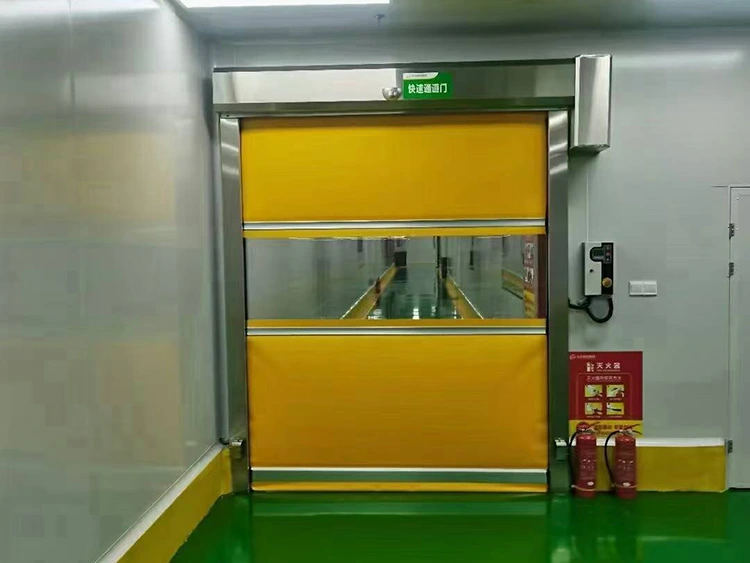
Local control box (Start/Stop/Emergency Stop buttons, status indicator lights)
Handheld wireless remote control (effective range ≥30m)
Mechanical limit switches (upper and lower limit positions)
Customizable Options:
Variable Frequency Drive (VFD): Enables smooth start/stop, reduces mechanical shock, and allows for adjustable lifting speeds (typically 0.15–0.3 m/s)
Sensor-based control: Geomagnetic induction loops, microwave radar, infrared safety beams
Interlock interface: Dry contact signal output for interlocking with equipment such as conveyors, lifting platforms, or air curtains
Remote monitoring: Uploads door status to a cloud platform via 4G or Wi-Fi modules, enabling mobile app monitoring and alarm notifications
"Door-in-door" (Wicket door): A small access door integrated into the main door panel for pedestrian passage, reducing the frequency of opening the main door
Maintenance and After-Sales Service
Routine Maintenance:
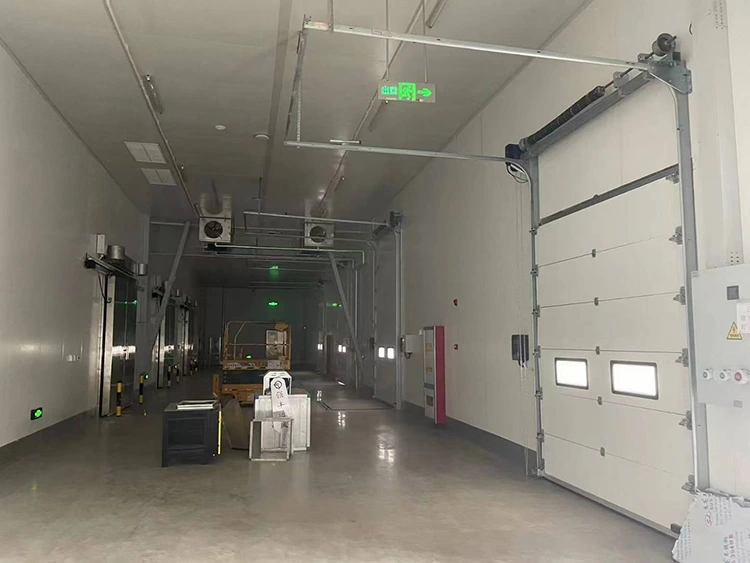
A semi-annual inspection is recommended to check wire rope wear, guide rail alignment, and bolt tightness. Sealing strips should be cleaned and treated with protective agents regularly. Bearings and chains should be lubricated annually to maintain smooth operation.
Troubleshooting Support:
Common issues such as door movement resistance, motor overheating, and remote-control failures are supported by quick diagnostic procedures and remote technical guidance.
Warranty Policy:
- Door structure: 2-year warranty
- Electrical components (motor, controller, sensors): 1-year warranty
- Wear parts (sealing strips, rollers): Replacement support with preferential pricing
Emergency Service:
Lynxcool provides rapid response services in major domestic cities, with on-site support available within 48 hours. Emergency repairs or temporary sealing solutions are provided to minimize operational downtime.
Why Choose Lynxcool Vertical Lift Door
Lynxcool is not only an industrial door manufacturer but also an engineering service provider specializing in refrigeration systems and cold chain facilities. Choosing Lynxcool Vertical Lift Door means receiving:
Integrated Engineering Solutions:
Door design is coordinated with cold storage insulation systems, refrigeration equipment, and logistics operations to prevent compatibility issues during installation and operation.
Qualified Installation Capability:
With professional mechanical and electrical installation qualifications and GC2 pressure pipeline installation certification, Lynxcool ensures compliant construction and reduces acceptance risks.
Extensive Project Experience:
Having completed hundreds of industrial door projects, Lynxcool understands the technical standards and operational requirements of food processing, pharmaceutical, and logistics industries.
Localized Service Support:
Supported by its Qingdao headquarters, Lynxcool provides full lifecycle services including site inspection, customized design, installation, maintenance, and technical support.
Frequently Asked Questions (FAQ) About Vertical Lift Door
1. What is a Vertical Lift Door?
A Vertical Lift Door is an industrial door system where the door panel moves vertically along straight wall-mounted tracks and parks directly above the door opening when fully opened.
Unlike traditional sectional overhead doors, Vertical Lift Doors do not require curved or horizontal track sections. There are no suspended components below the ceiling, allowing the overhead space to be fully utilized for installing conveyor systems, lighting, ventilation ducts, bridge cranes, and other equipment.
2. What is the Difference Between a Vertical Lift Door and a High-Lift Door?
Both door systems are designed for buildings with high ceilings, but their track configurations are different:
| Type | Track Design | Space Requirement |
|---|---|---|
| Vertical Lift Door | Moves vertically throughout the entire travel path with no horizontal track section | Requires clear space approximately equal to the door height and does not occupy ceiling space |
| High-Lift Door | Moves vertically first and then transitions into horizontal tracks along the ceiling | Requires less vertical clearance but still uses part of the overhead space |
In simple terms, a High-Lift Door is a compromise solution, while a Vertical Lift Door provides maximum overhead space utilization.
3. Where Are Vertical Lift Doors Commonly Used?
Due to their high space efficiency, excellent sealing performance, and suitability for demanding environments, Vertical Lift Doors are widely used in:
- Cold chain facilities, including cold rooms and freezer warehouses
- Food processing plants and central kitchens
- Logistics distribution centers and loading docks
- Automotive repair workshops and RV garages
- Fire stations and special vehicle garages
- Industrial buildings requiring overhead cranes or suspended equipment
4. How Much Overhead Space Is Required for Installing a Vertical Lift Door?
The key requirement is that the clear headroom above the door opening should be:
Door opening height + minimum 500mm
Example:
For a door opening with a height of 4 meters, the building should provide at least 4.5 meters of overhead clearance.
Additional installation requirements include:
- Minimum 300mm wall space on each side for guide rails and brackets
- Floor levelness deviation within ±3mm to ensure proper bottom sealing performance
A professional site survey is recommended before installation to confirm whether the building structure meets the requirements.
5. What Safety Protection Systems Are Equipped on Vertical Lift Doors?
Standard safety configurations include:
Anti-Fall Brake Device:
Automatically locks the door panel in the event of wire rope or chain failure, preventing accidental falling.
Obstacle Detection and Auto Reversal:
A bottom pneumatic sensing edge or photoelectric safety edge detects obstacles and immediately stops and reverses the door movement.
Emergency Manual Operation:
A manual crank or chain hoist system allows operation during power failure.
Dual Limit Protection:
Mechanical and electronic limit switches work together to prevent over-travel operation.
These safety systems ensure reliable operation under various unexpected conditions.
6. How Should a Vertical Lift Door Be Maintained?
Recommended maintenance procedures include:
- Regularly remove dust and foreign objects from guide rails to keep the tracks clean
- Check wire rope wear and tension every three months
- Lubricate bearings, rollers, chains, and other moving components every six months
- Inspect sealing strips regularly and replace aged components when necessary
- Perform manual balance testing: disconnect power and lift the door halfway; the door should remain stable without falling or rising
Proper maintenance helps extend service life and reduces unexpected downtime.
7. What Are Common Vertical Lift Door Problems and Solutions?
| Problem | Possible Cause | Recommended Solution |
|---|---|---|
| Door movement is unstable or uneven | Foreign objects in the track, incorrect wire rope tension | Clean the track and adjust wire rope tension |
| Door cannot fully close | Misaligned photoelectric sensor or blocked detection area | Recalibrate sensors or remove obstacles |
| Abnormal operating noise | Insufficient bearing lubrication or worn rollers | Lubricate components or replace worn parts |
| Poor sealing after closing | Aging sealing strips or incorrect door frame alignment | Replace sealing strips or adjust door frame alignment |
For complex failures, professional service technicians should be contacted for inspection and repair.
8. How Can I Get a Customized Vertical Lift Door Solution and Quotation?
Lynxcool provides complete project support, including:
- Site inspection
- Solution design
- Equipment manufacturing
- Installation and commissioning
- After-sales service
To receive a customized proposal and quotation, please provide:
- Door opening dimensions (width × height)
- Site photos or architectural drawings
- Operating conditions (temperature, cleanliness requirements, etc.)
- Special requirements (explosion-proof design, stainless steel construction, integrated control systems, etc.)
Lynxcool’s technical team will evaluate your project requirements and provide a suitable Vertical Lift Door solution.
Hot Tags: vertical lift door, industrial lift door China, warehouse door manufacturer, factory lift door supplier
Send Inquiry
Contact Info
-
Address
No. 1 Zhengzhou Road, Shibei District, Qingdao City, Shandong Province, China
-
Tel
-
E-mail
Welcome to send your detailed demands for Refrigeration Compressor Unit, Screw Compressor Unit, Evaporator. Our professional sales team from this China refrigeration manufacturer will reply quickly, provide custom plans and one-stop purchasing service.